New Episodes Sundays 9/8c
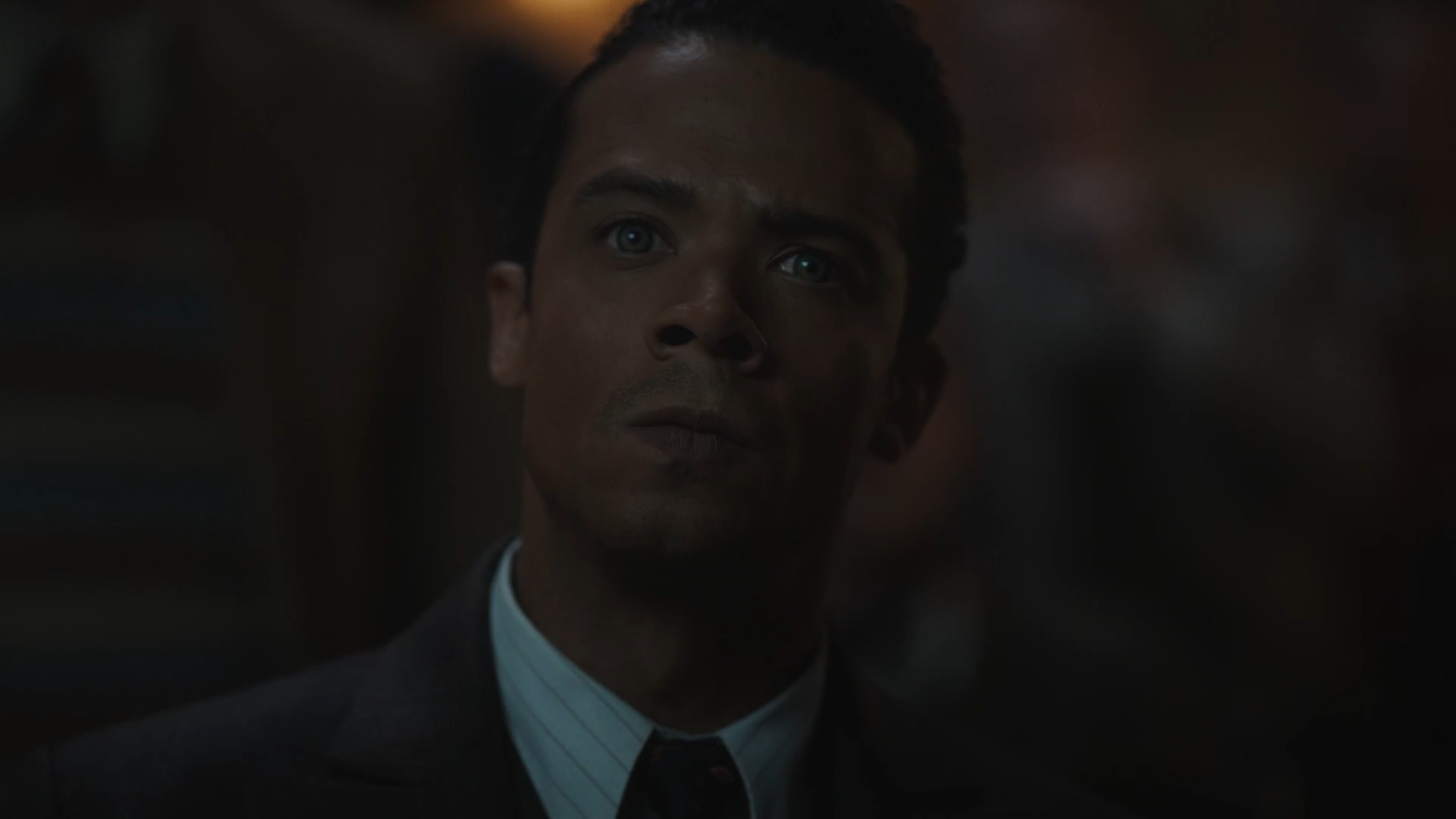
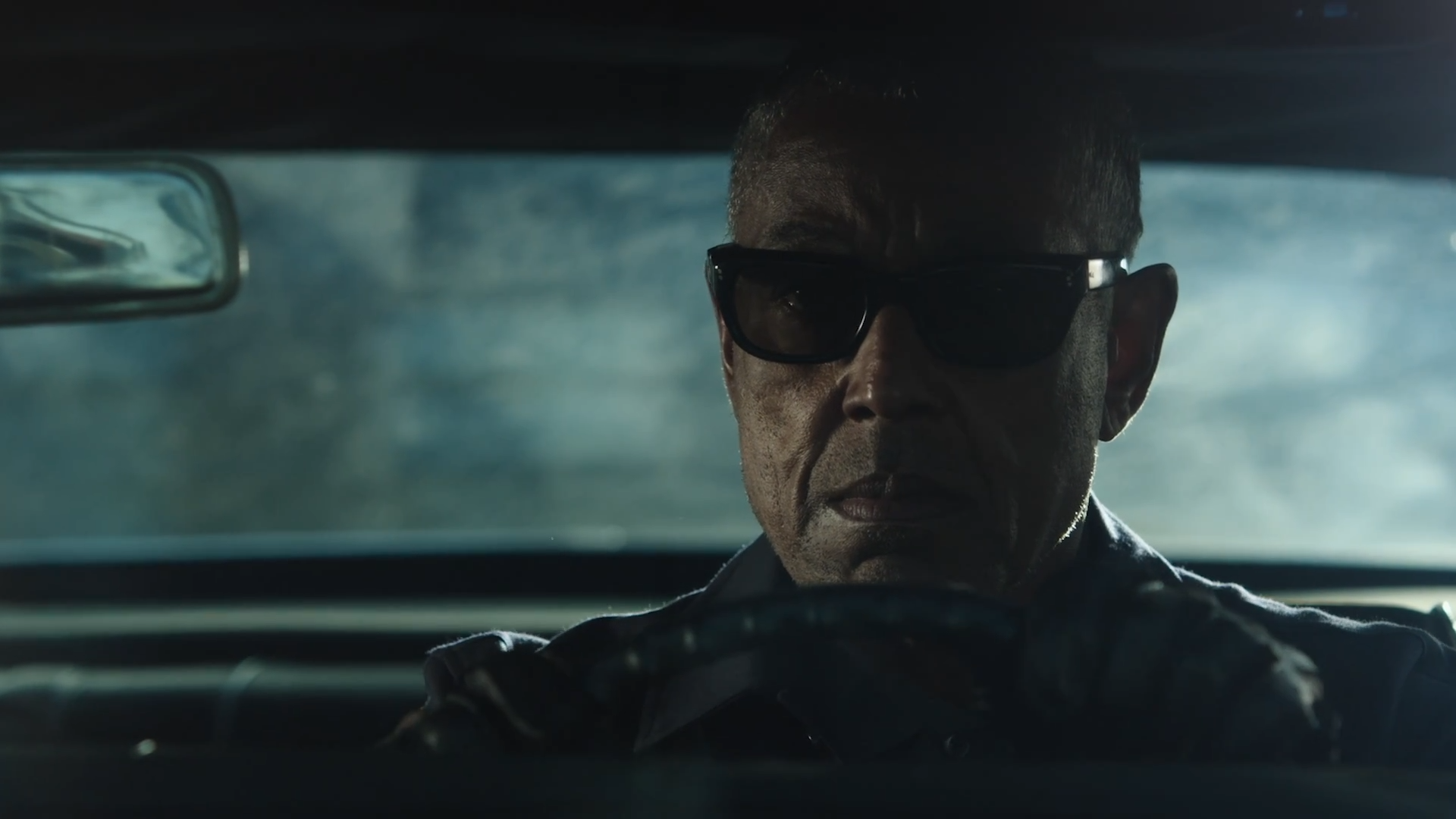
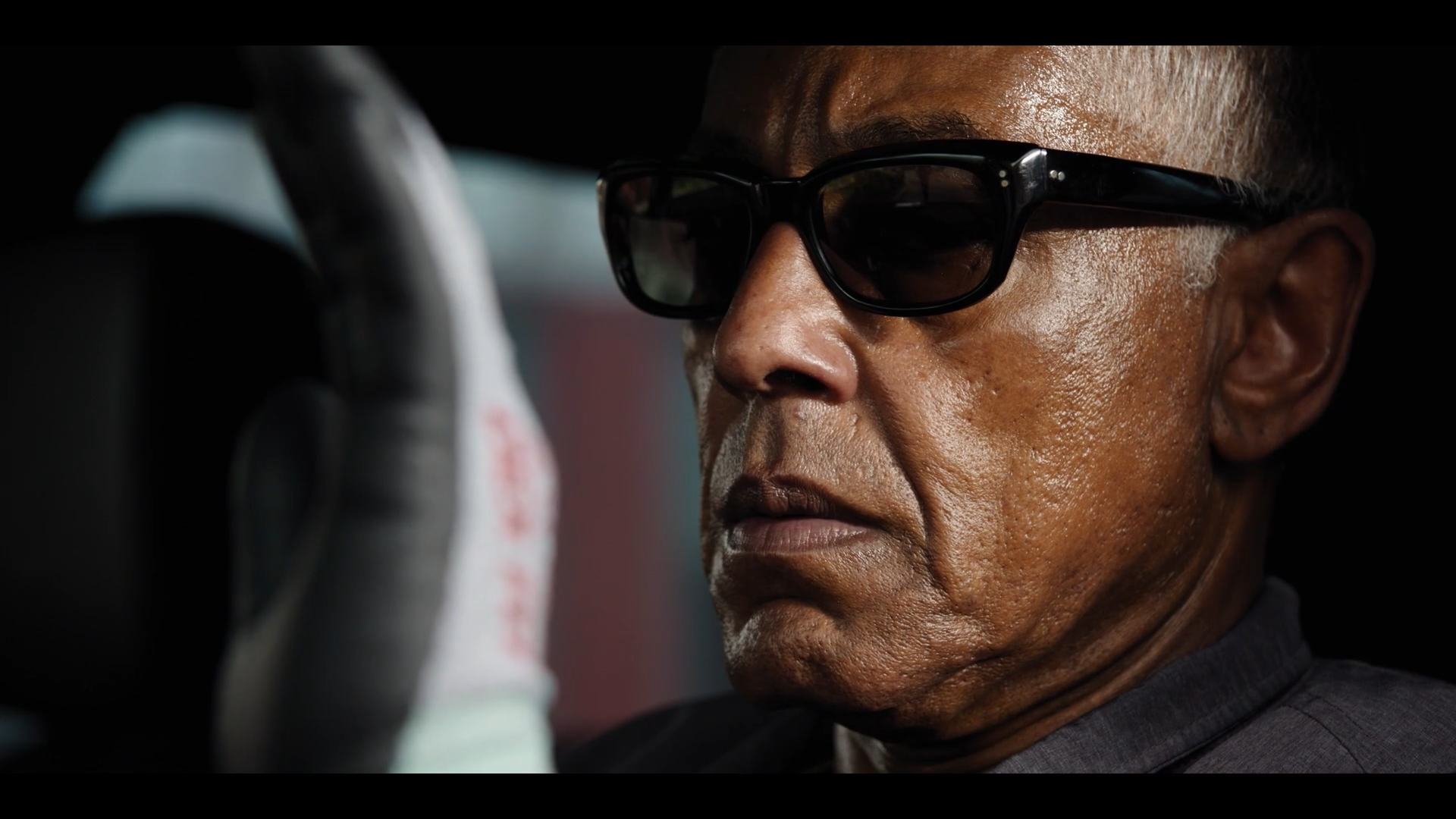
Parish
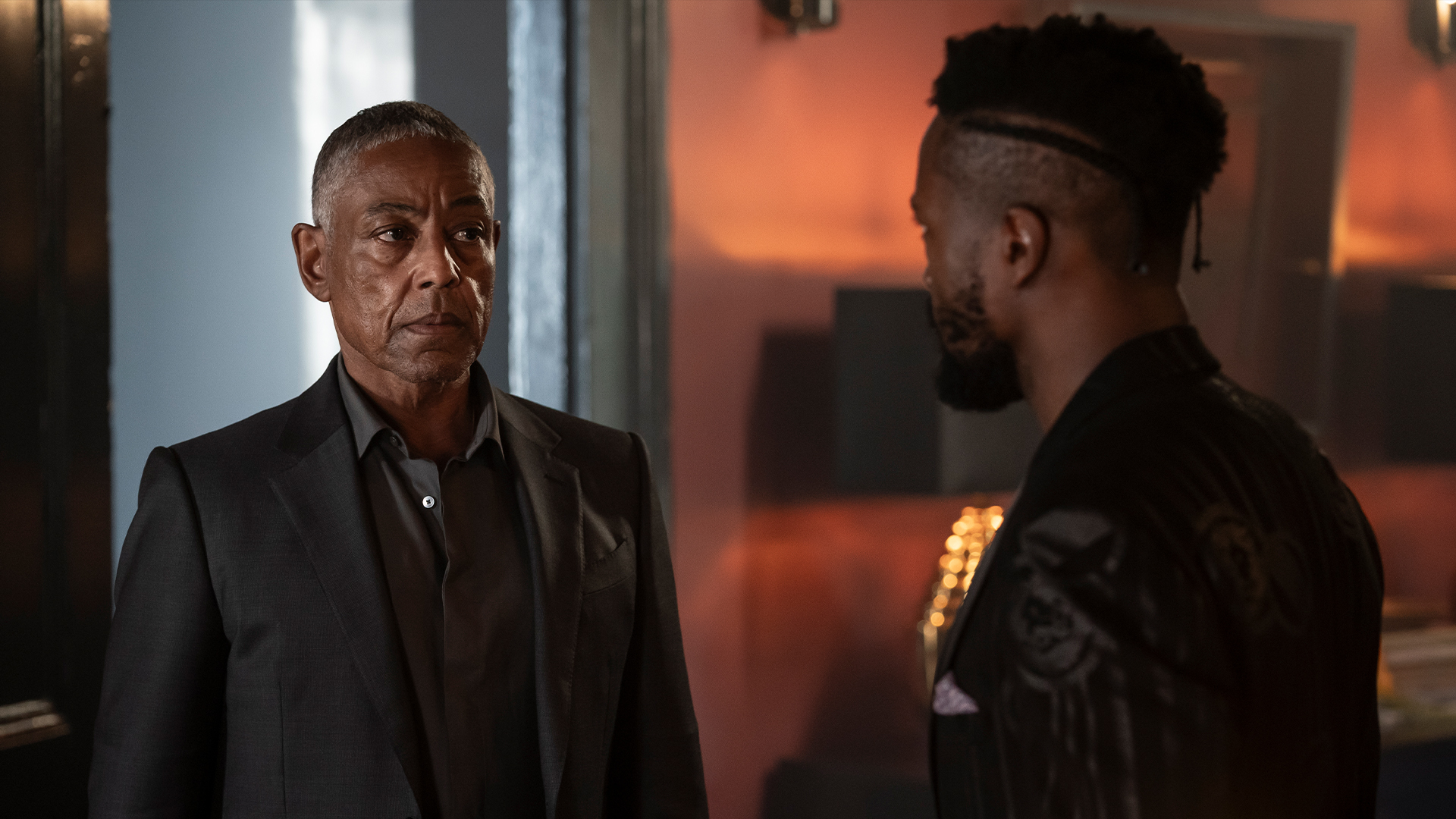
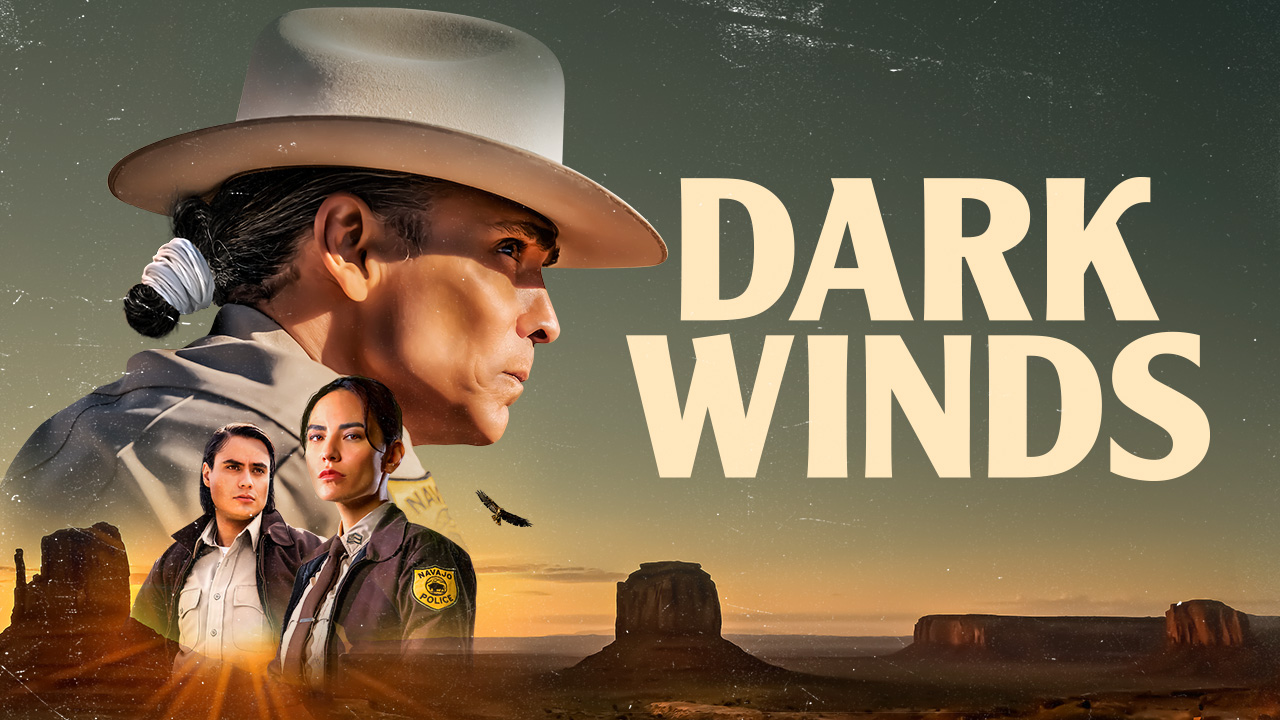
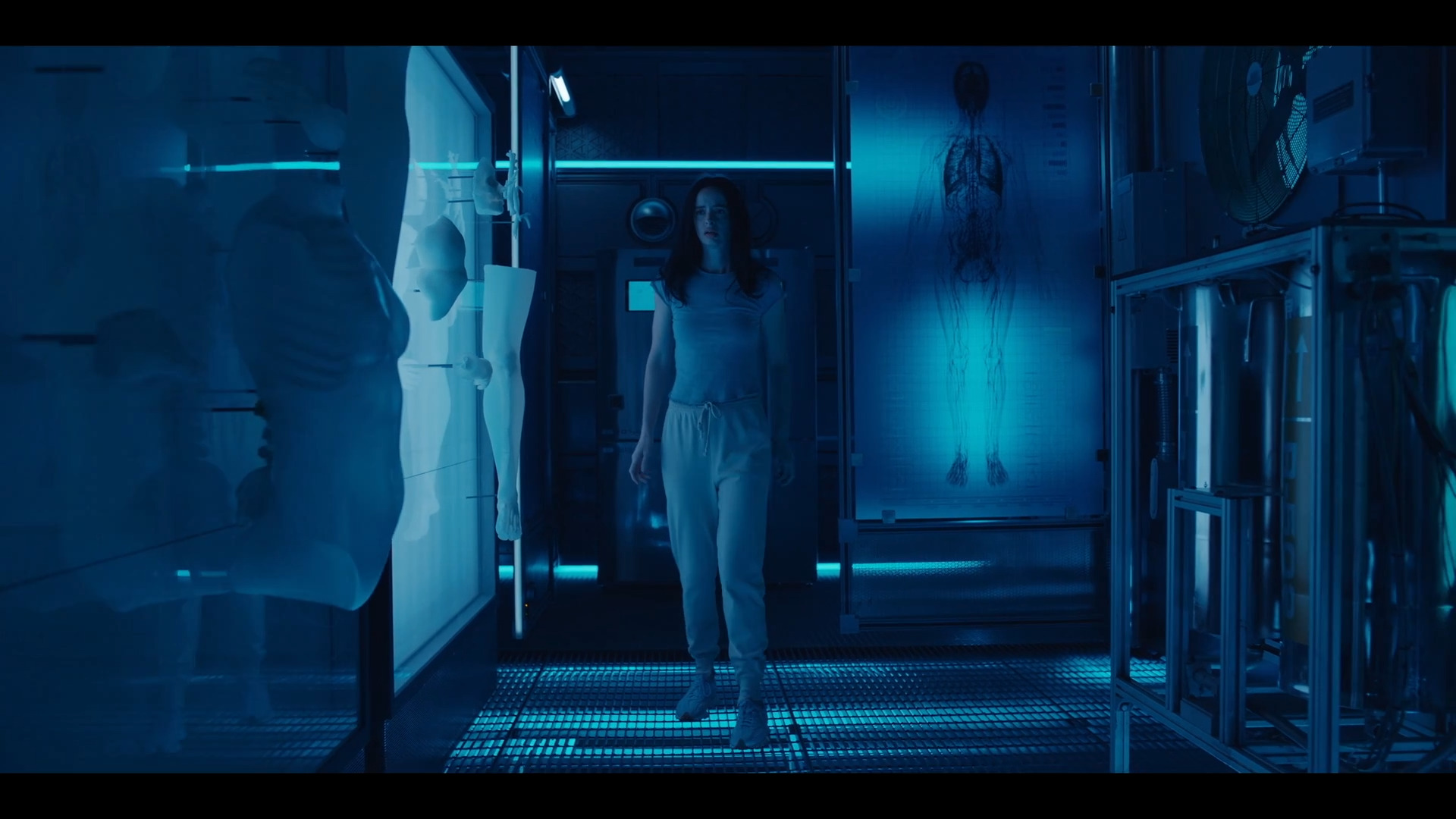
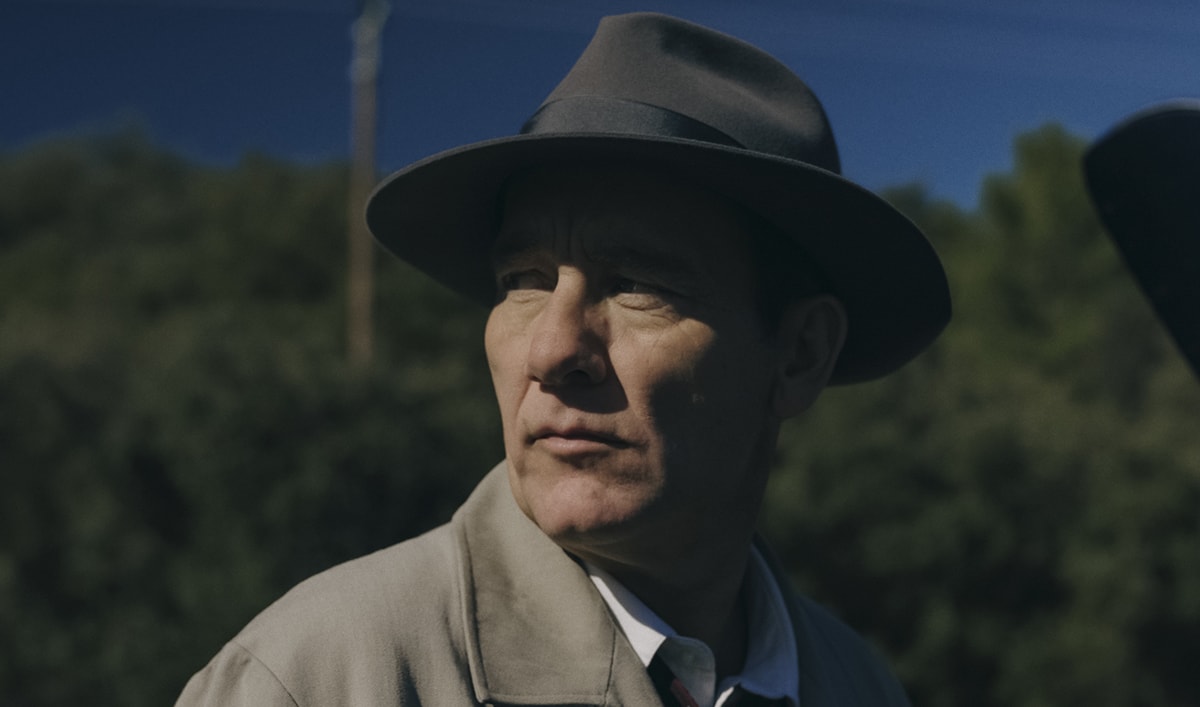
When Anton, an old colleague, learns Gray is working with the Tongais, he forces Gray to choose: his family or Horse. Rose and Makayla work together to survive. Horse searches for a traitor.Latest Episodes
S1, E4
Parish
When Anton, an old colleague, learns Gray is working with the Tongais, he forces Gray to choose: his family or Horse. Rose and Makayla work together to survive. Horse searches for a traitor.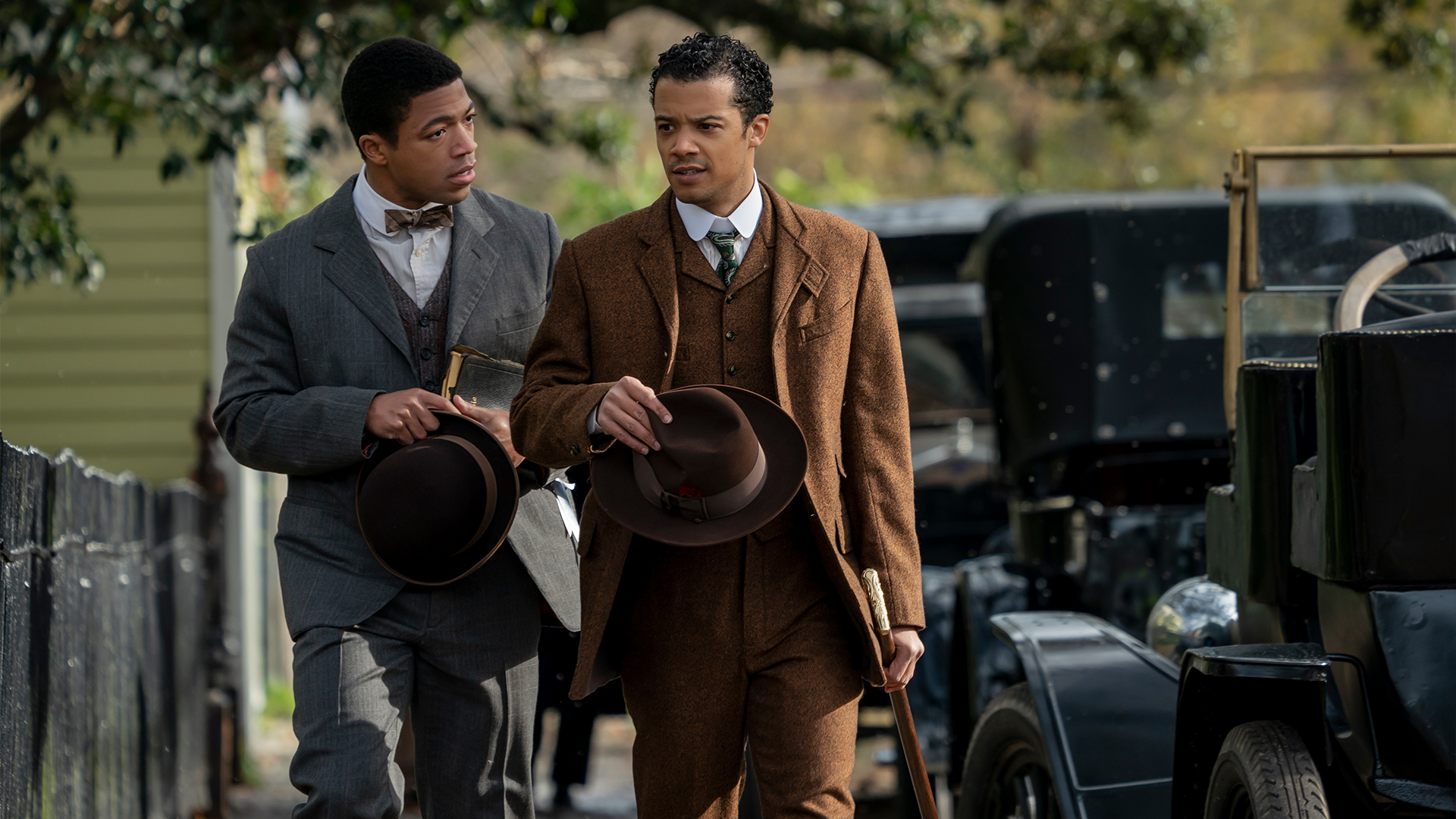
S1, E1
Interview With The Vampire
Louis de Pointe du Lac lives in 1910 New Orleans as executor-in-charge of his family's fortune. When he meets the vampire Lestat, Louis' life begins to unravel in otherworldly ways. 110 years later, Louis tells his story to journalist Daniel Molloy.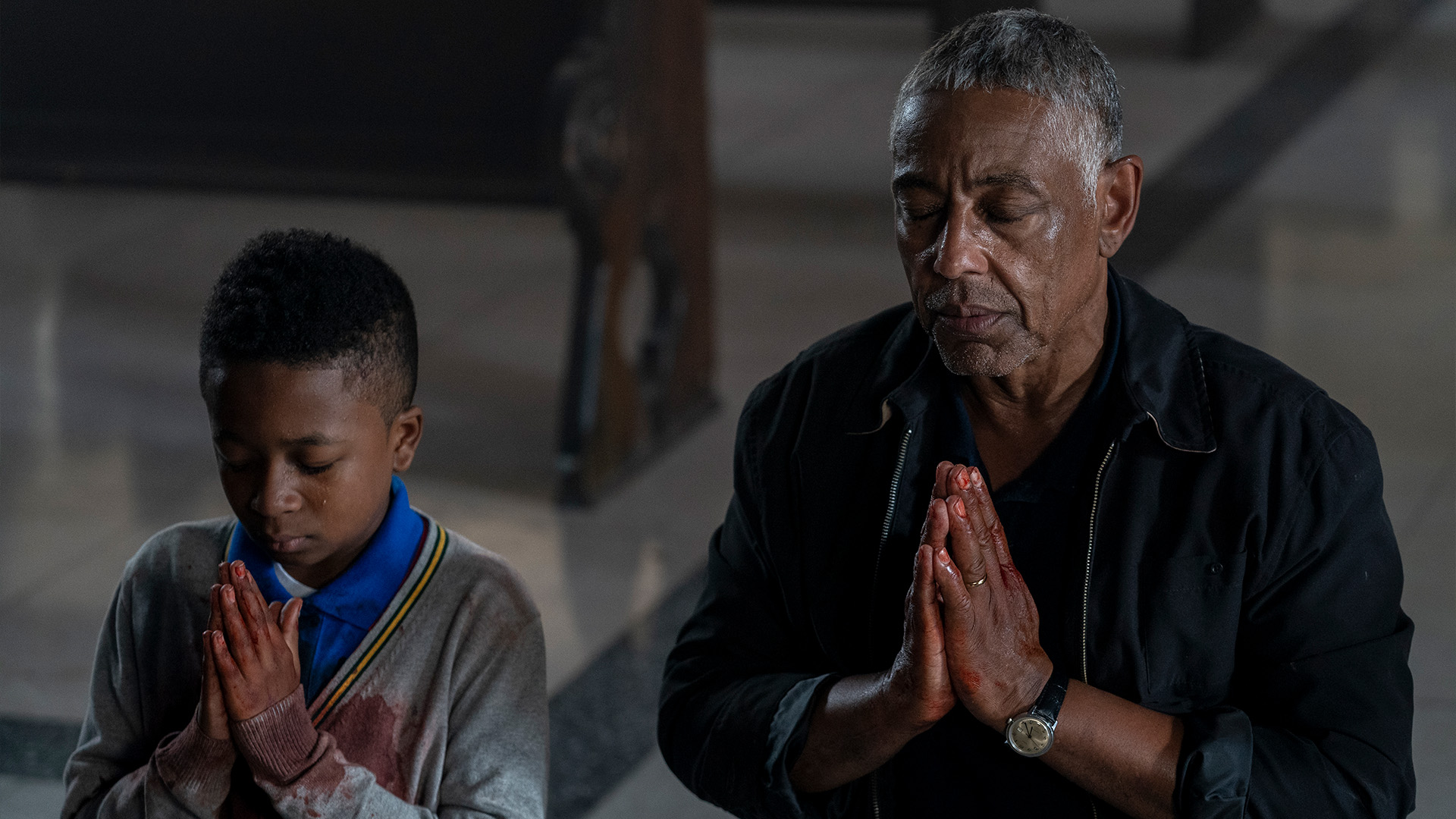
S1, E3
Parish
Cornered, Gray's allegiance to Horse is put to the ultimate test. The Parish and Tongai families search for their missing loved ones. The Tongais gather intel on their adversary.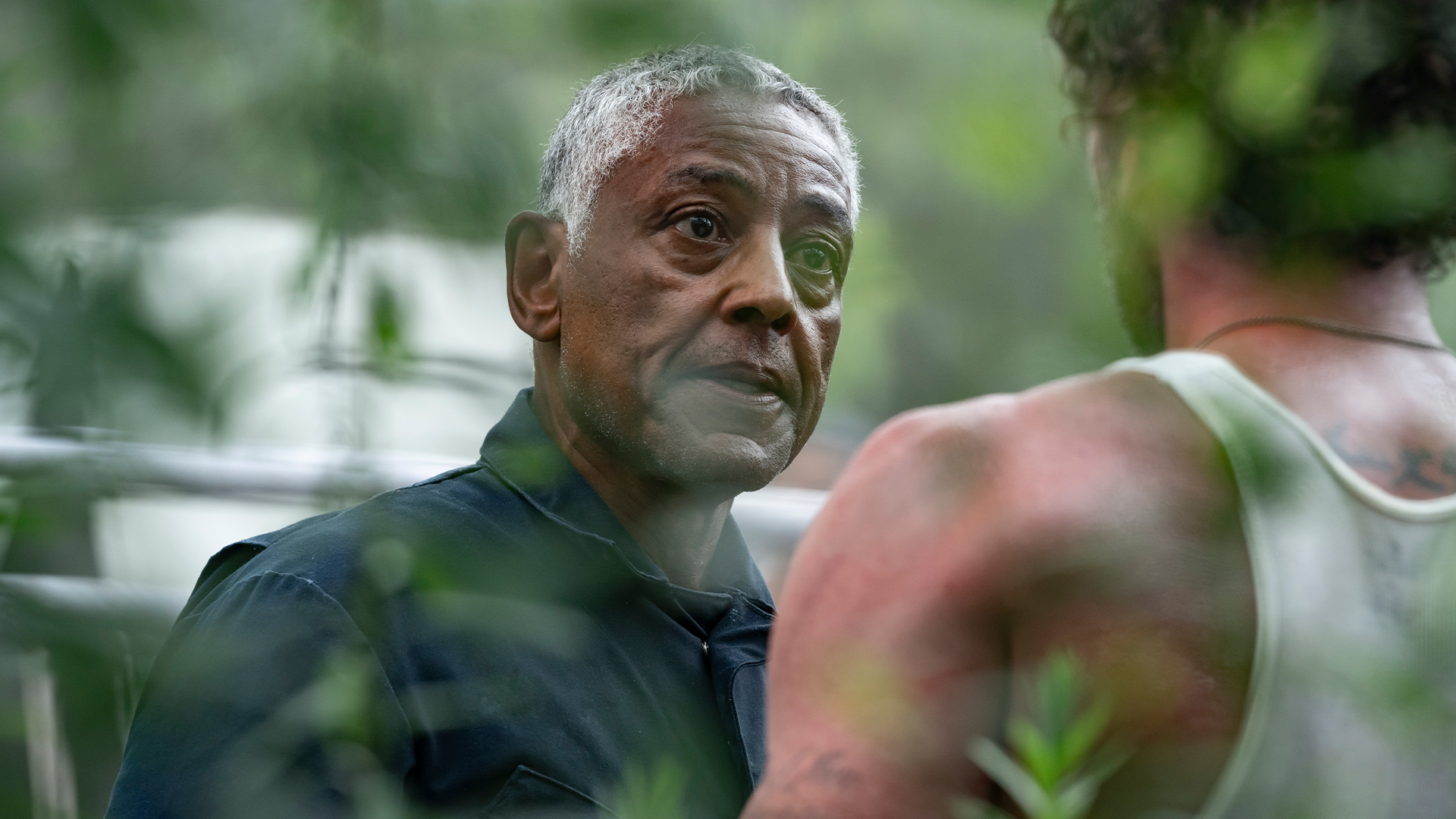
S1, E2
Parish
Gray and Colin clash over a big clean up. Gray dodges his family's growing suspicion. The Tongais pursue new business.
S1, E6
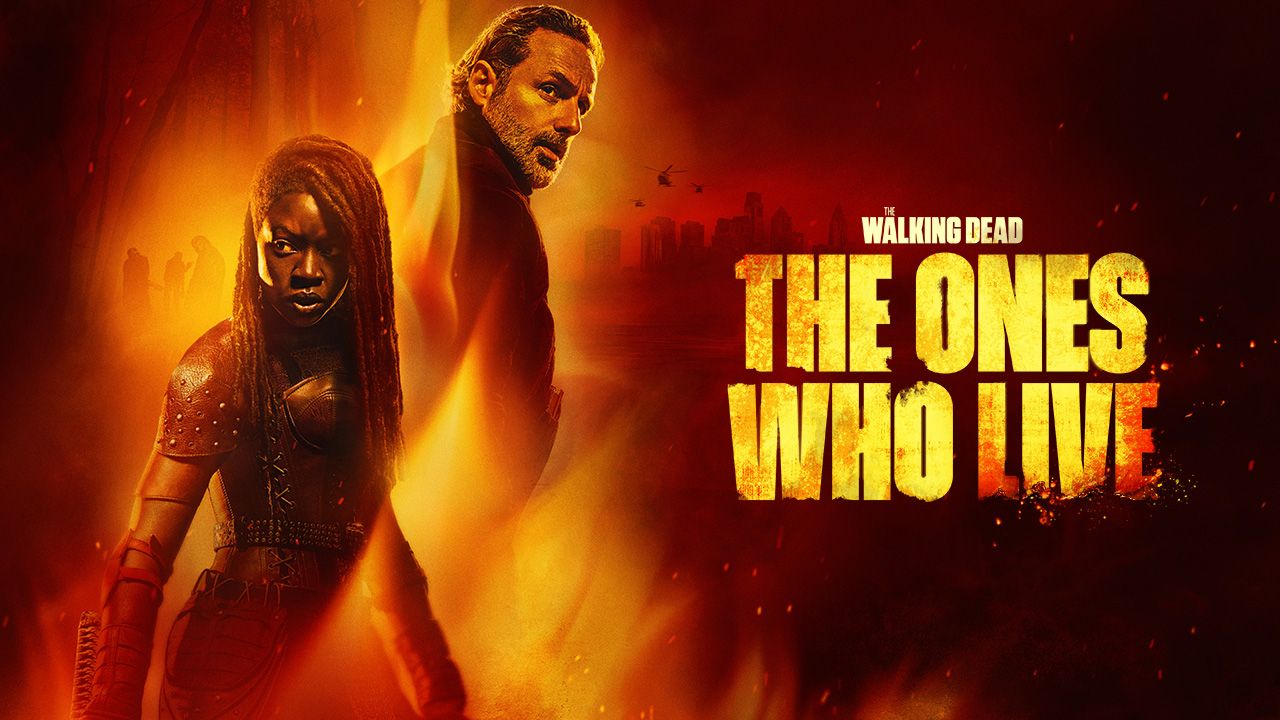
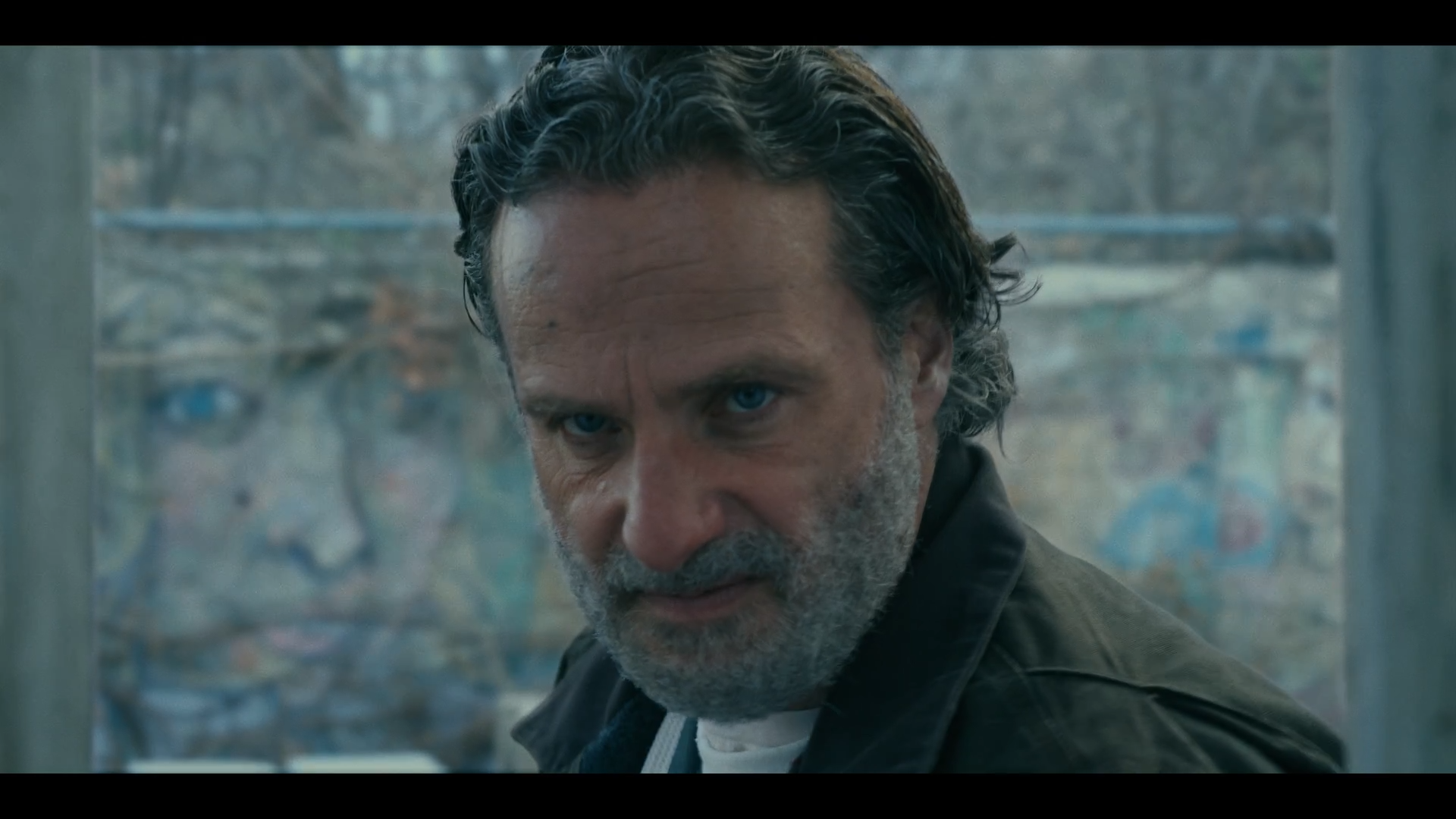
The Walking Dead: The Ones Who Live
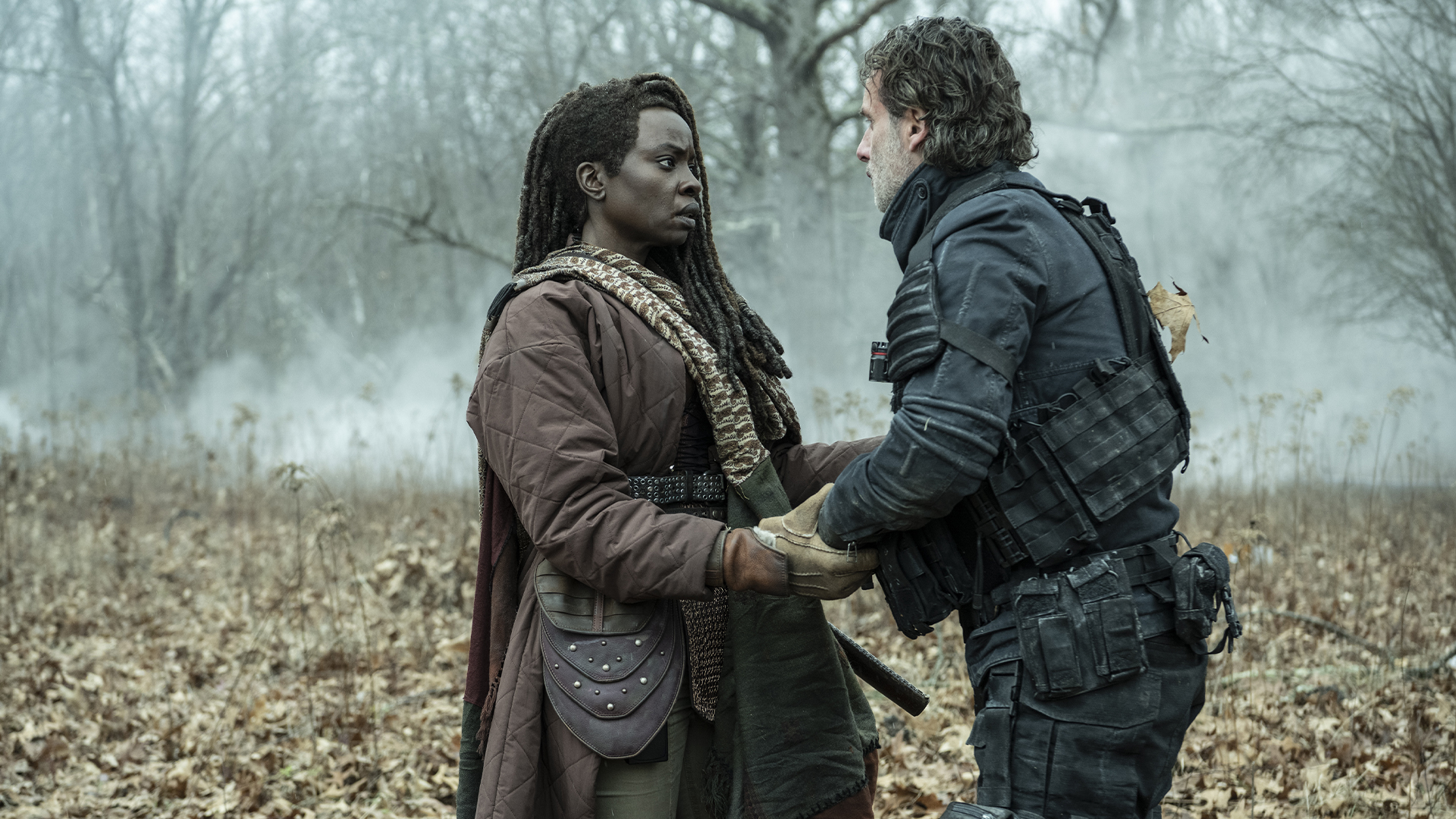
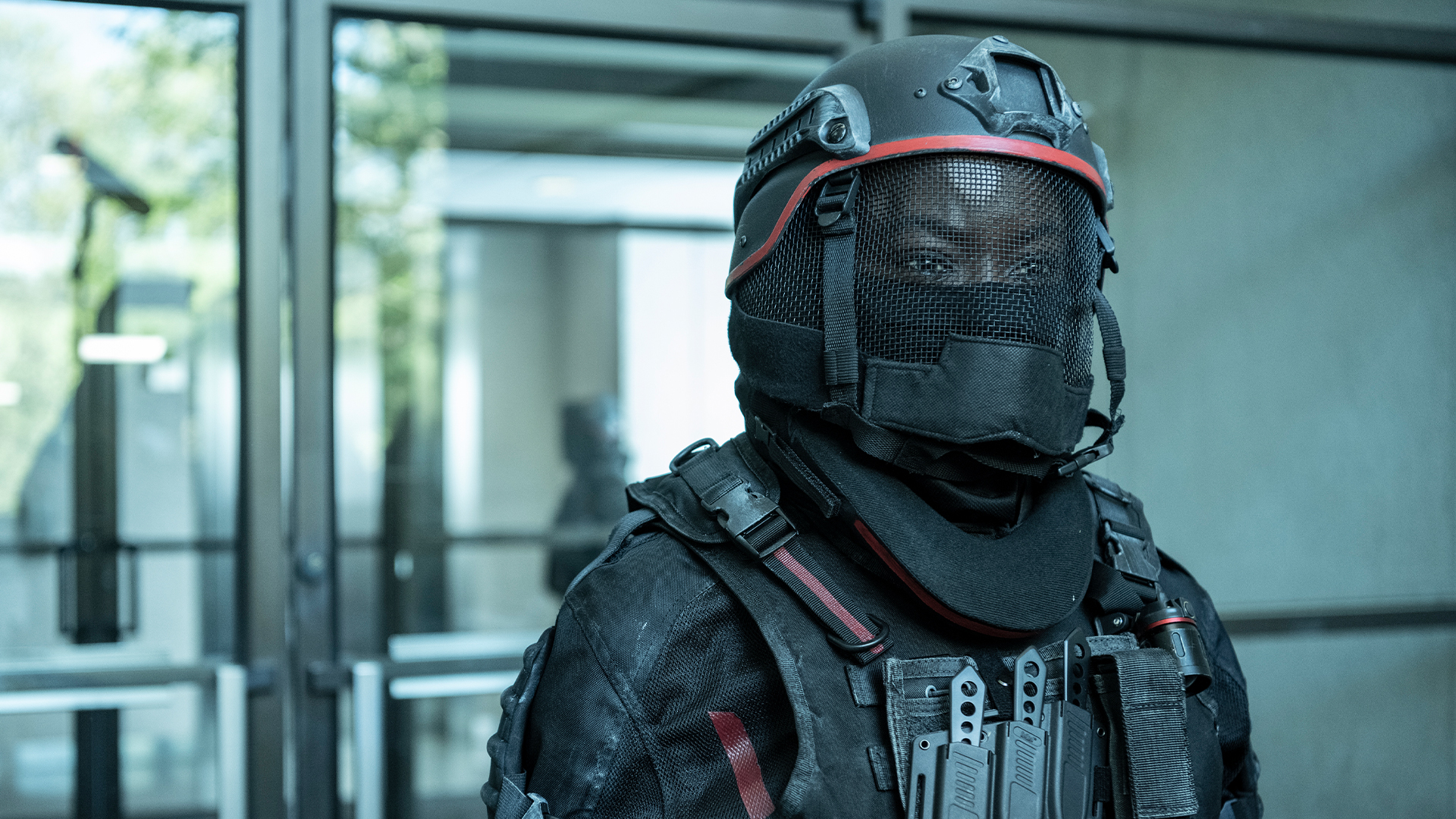
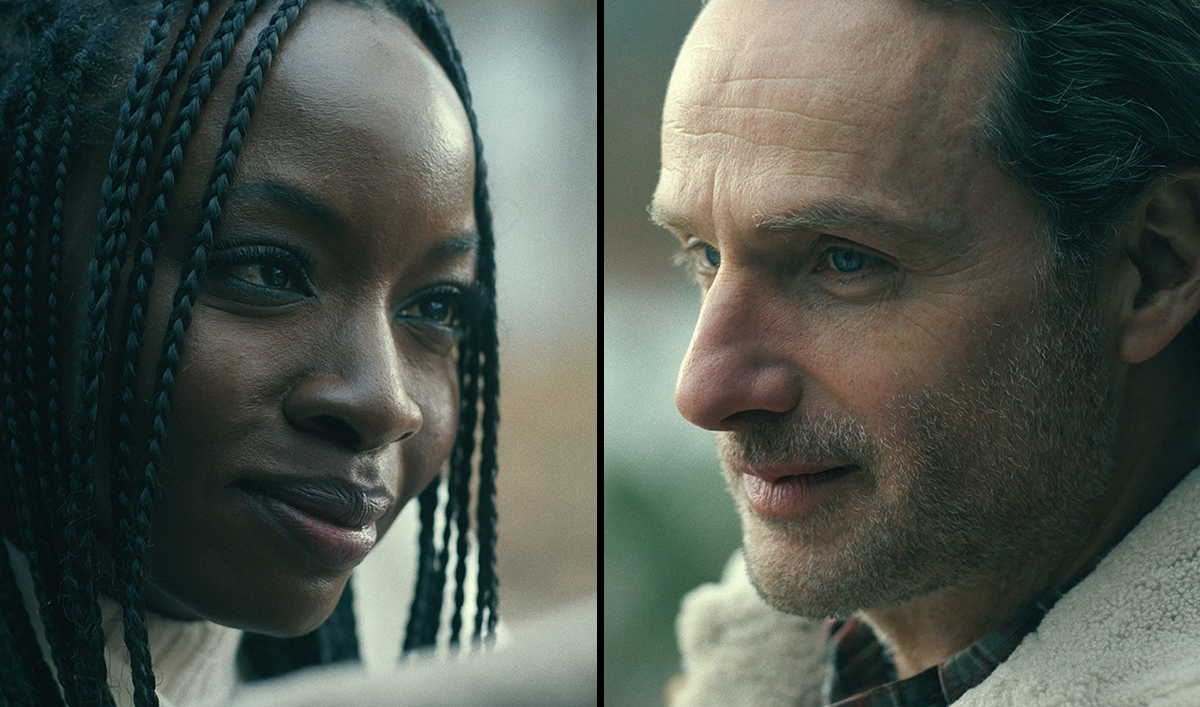
Rick and Michonne have to perform a near-impossible miracle.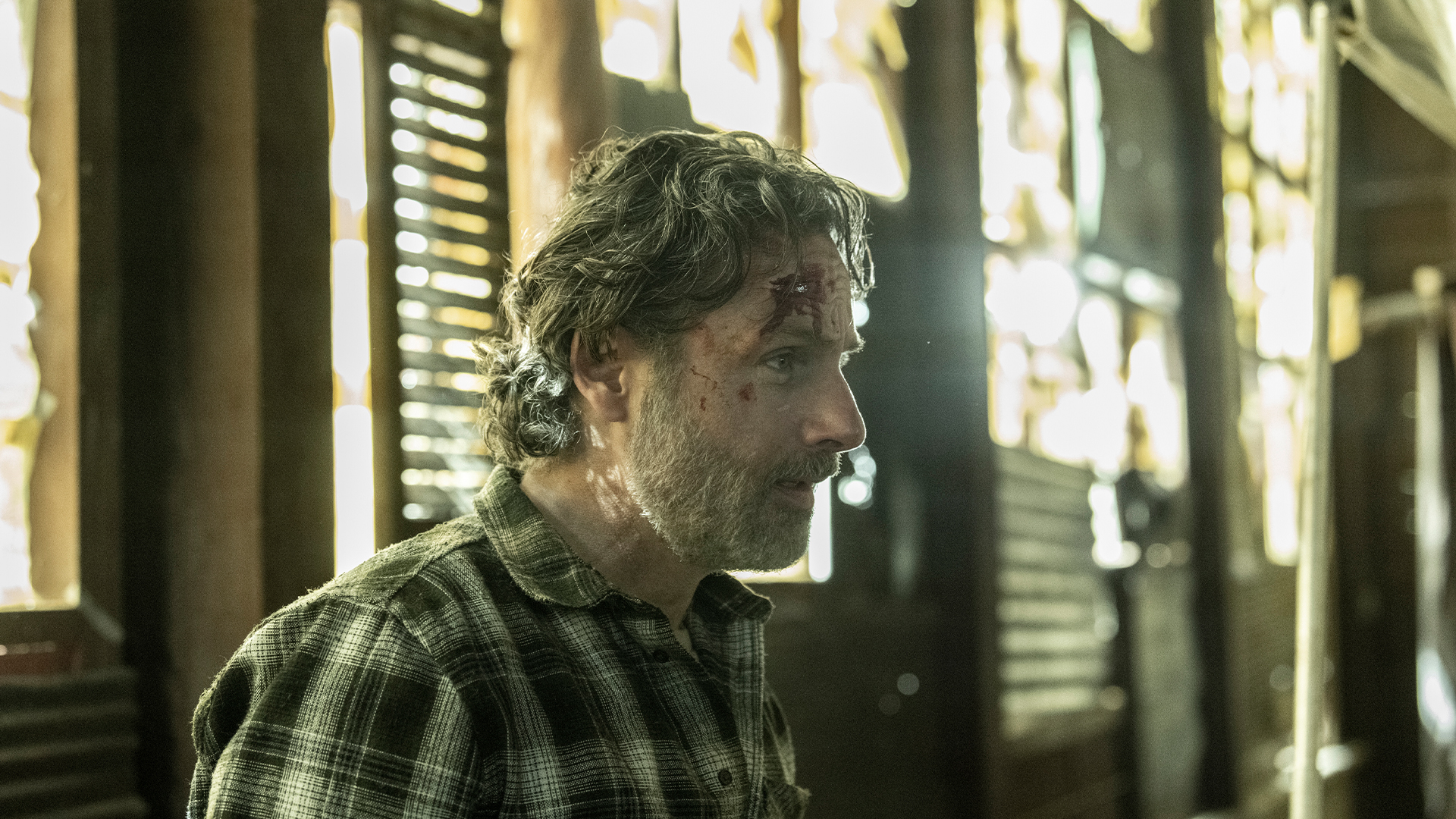
S1, E5
The Walking Dead: The Ones Who Live
Dangerous people make Rick and Michonne's journey difficult.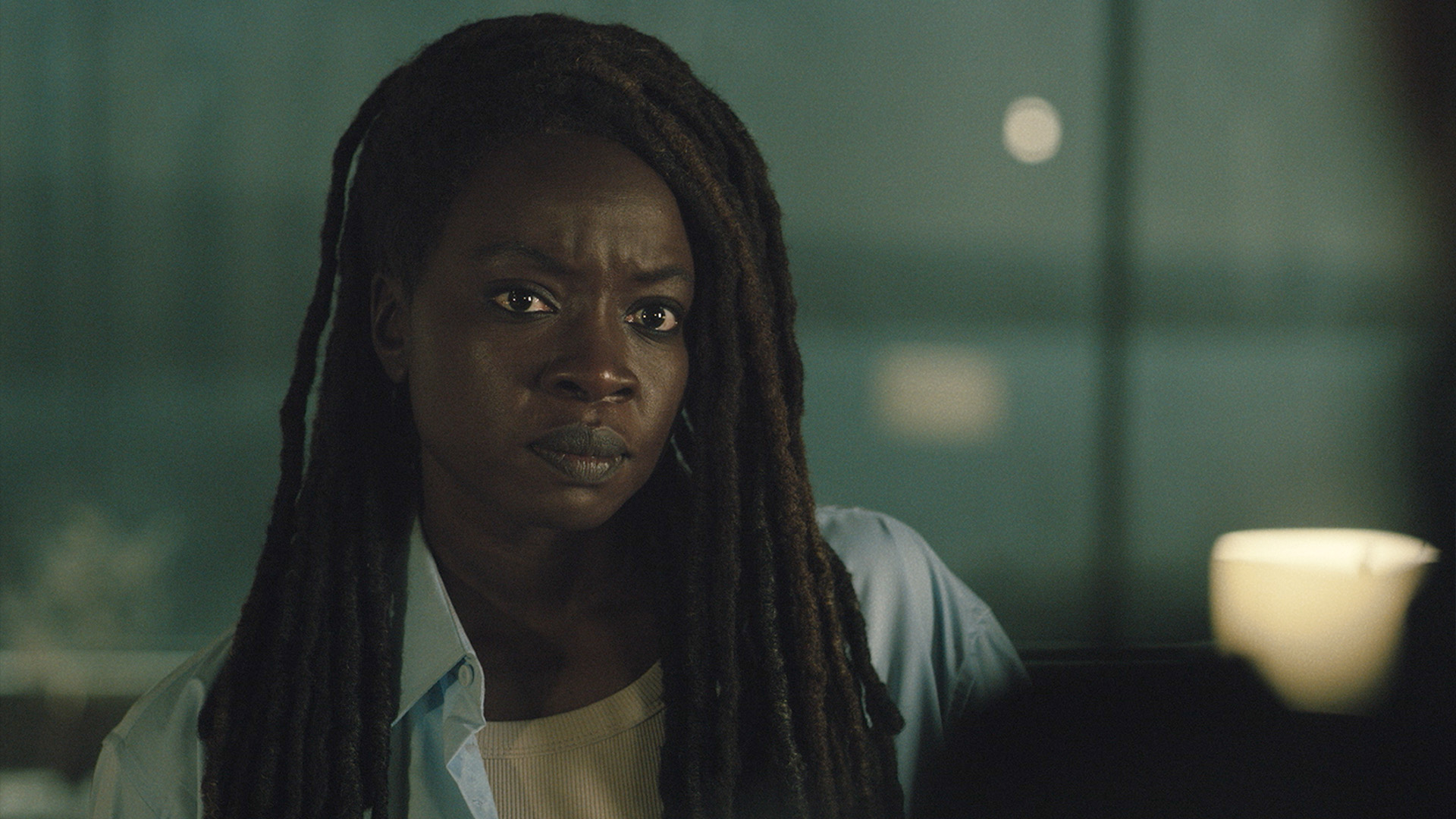
S1, E4
The Walking Dead: The Ones Who Live
Rick and Michonne try to find the love they had.
S1, E3
The Walking Dead: The Ones Who Live
Rick and Michonne have to find a way to survive.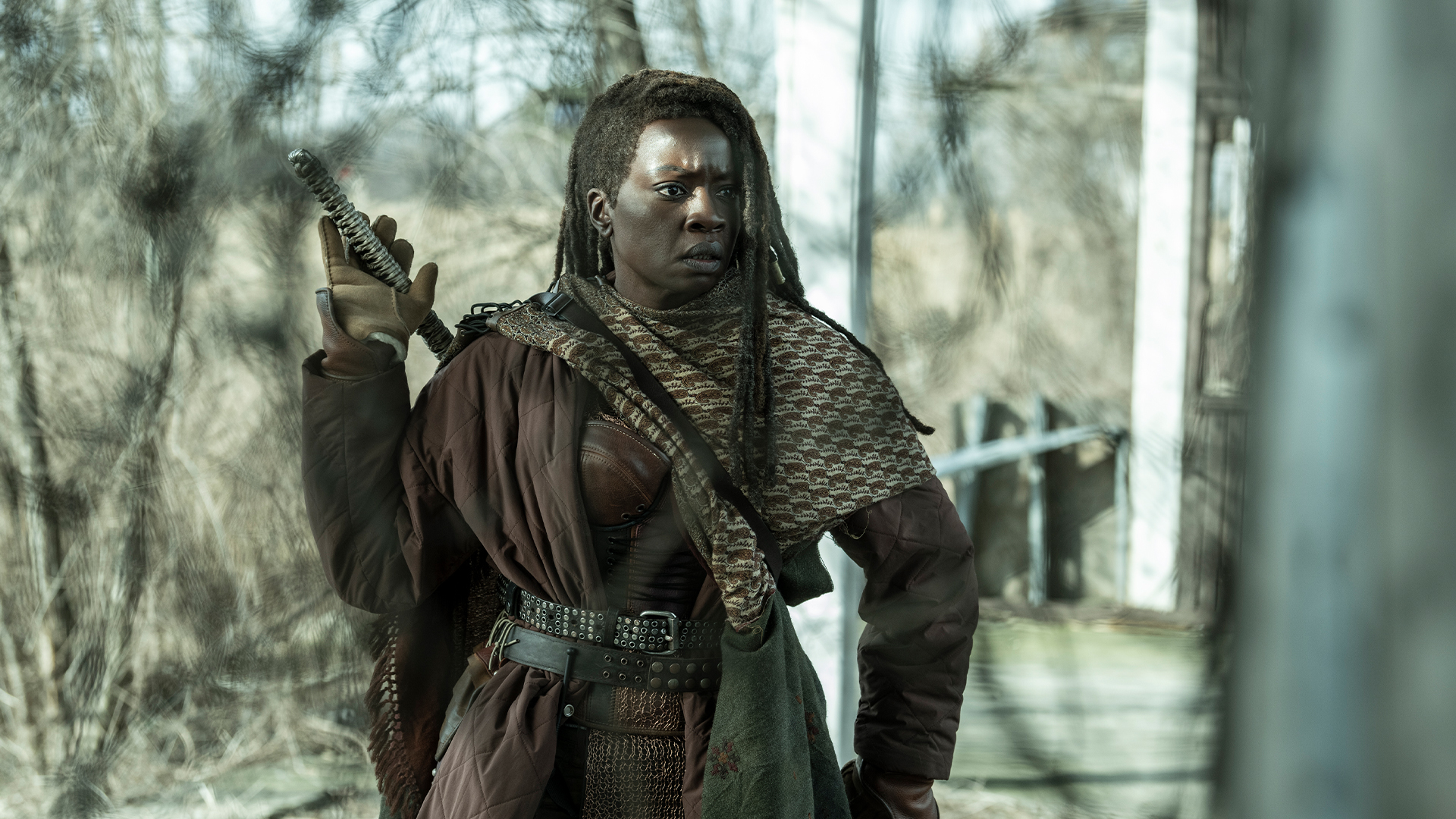
S1, E2
The Walking Dead: The Ones Who Live
Michonne finds unexpected help on her search for Rick.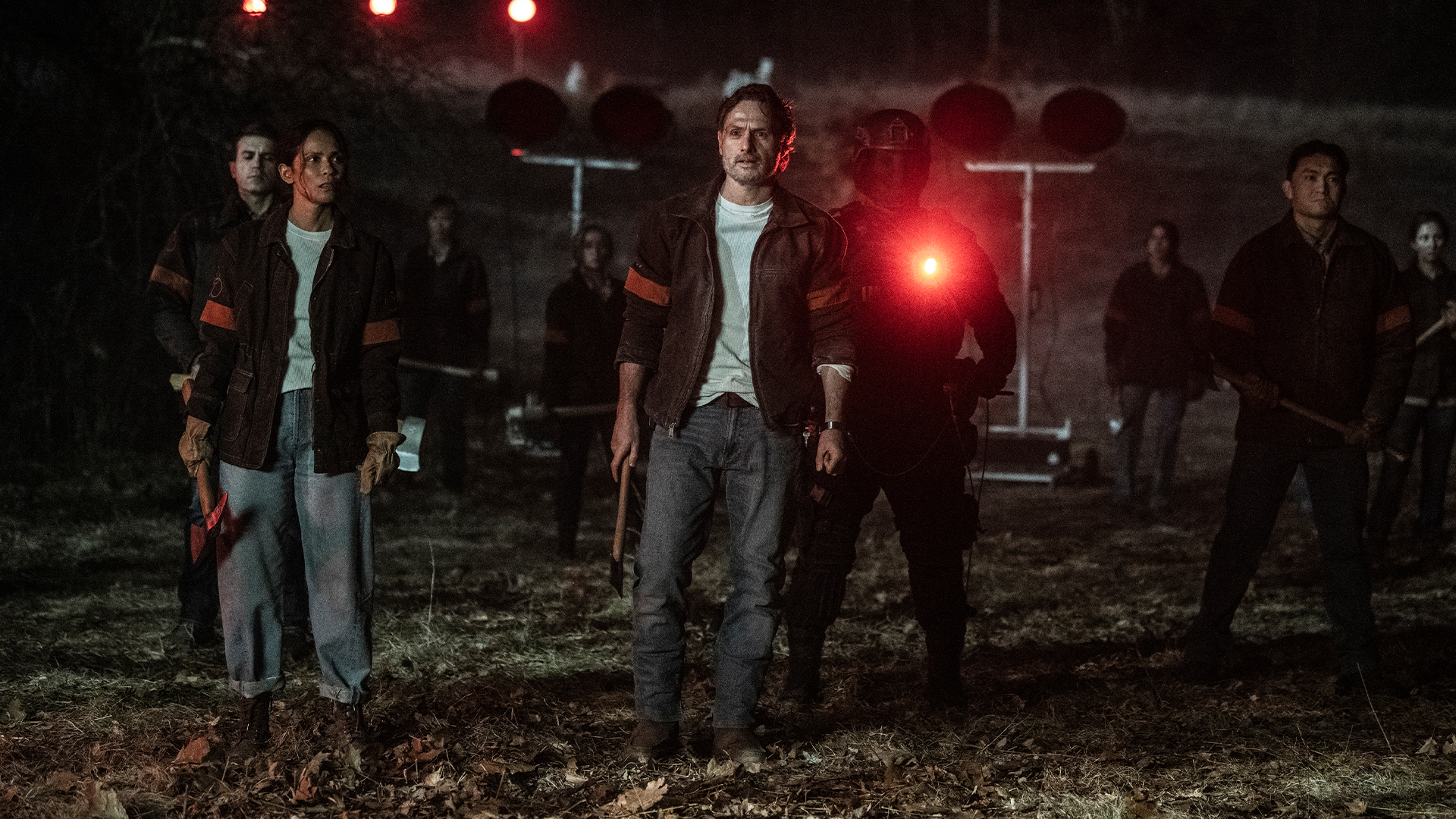
S1, E1
The Walking Dead: The Ones Who Live
Rick tries to find his place in a new world.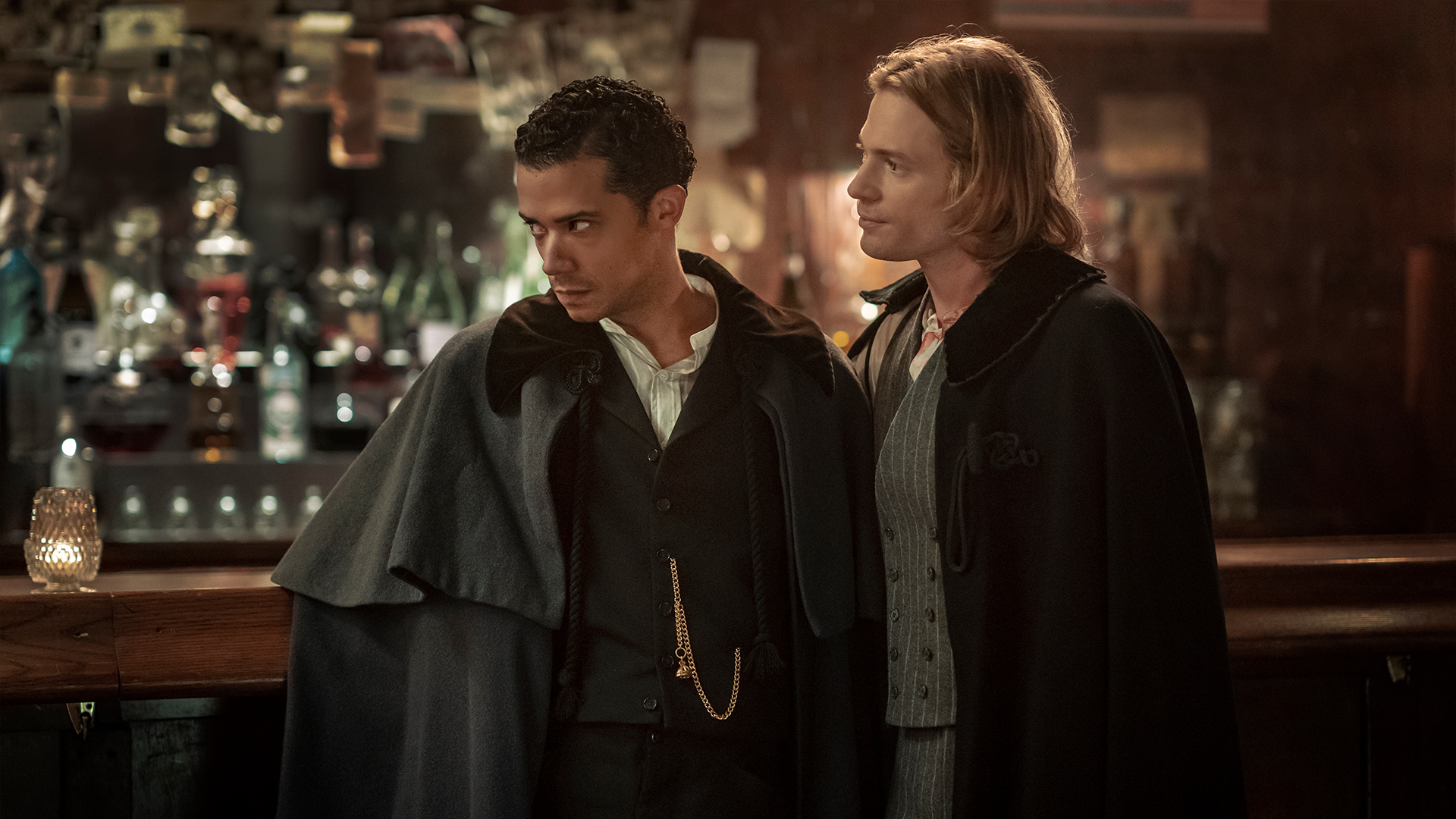
S1, E2
Interview With The Vampire
Beginning his life as a vampire, Louis learns the rules of vampirism from his maker and companion Lestat. Louis discovers increasing differences between himself and Lestat. In Dubai, Louis reveals more of his modern day vampire lifestyle to Molloy.
S1, E1
The Walking Dead: Best of Michonne
Relive Michonne's best moments in this iconic episode from Season 3. The group attempts to secure a new home.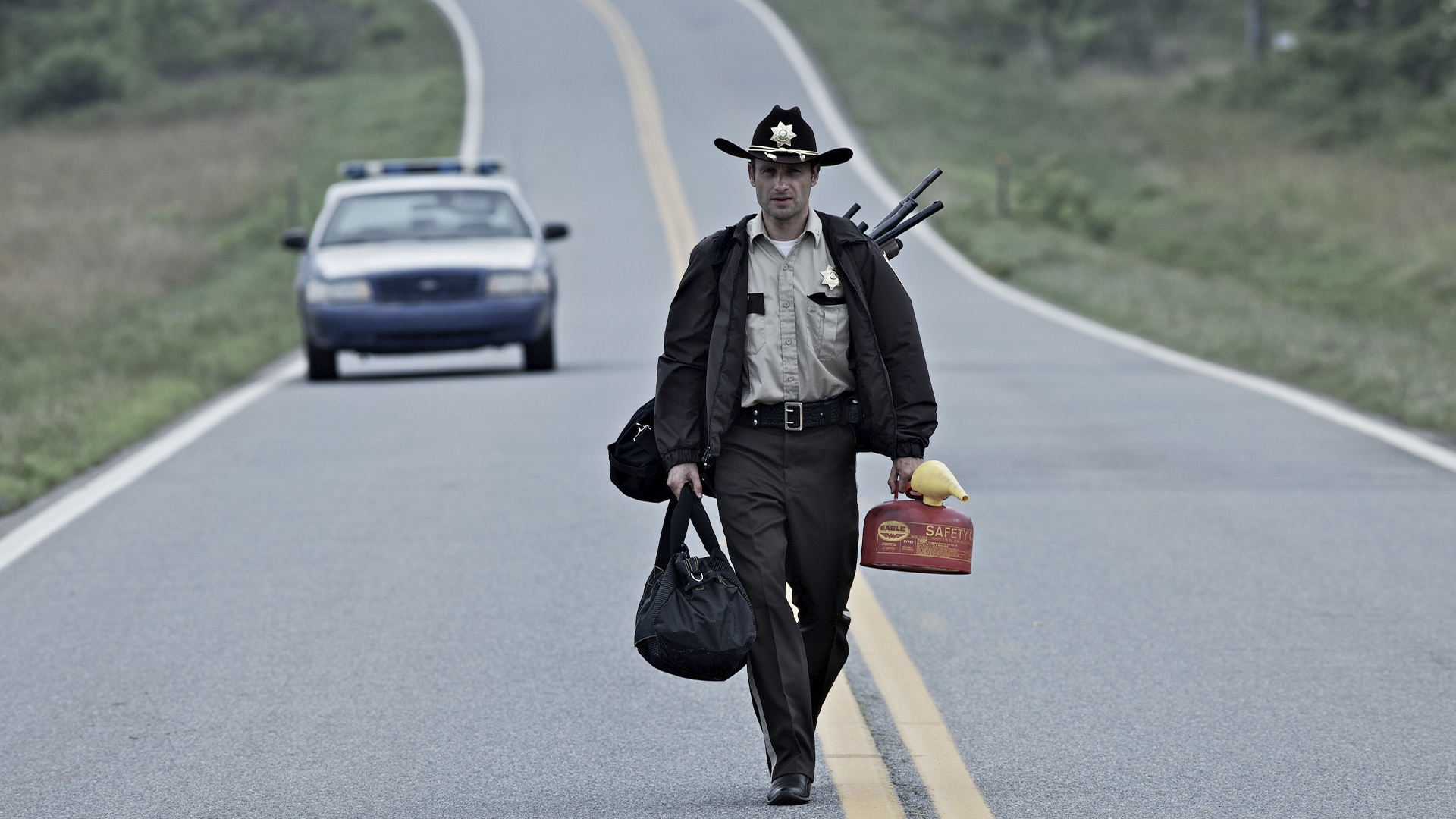
S1, E1
The Walking Dead: Best of Rick
Relive Rick's best moments in this iconic episode from Season 1. Rick wakes in a changed world.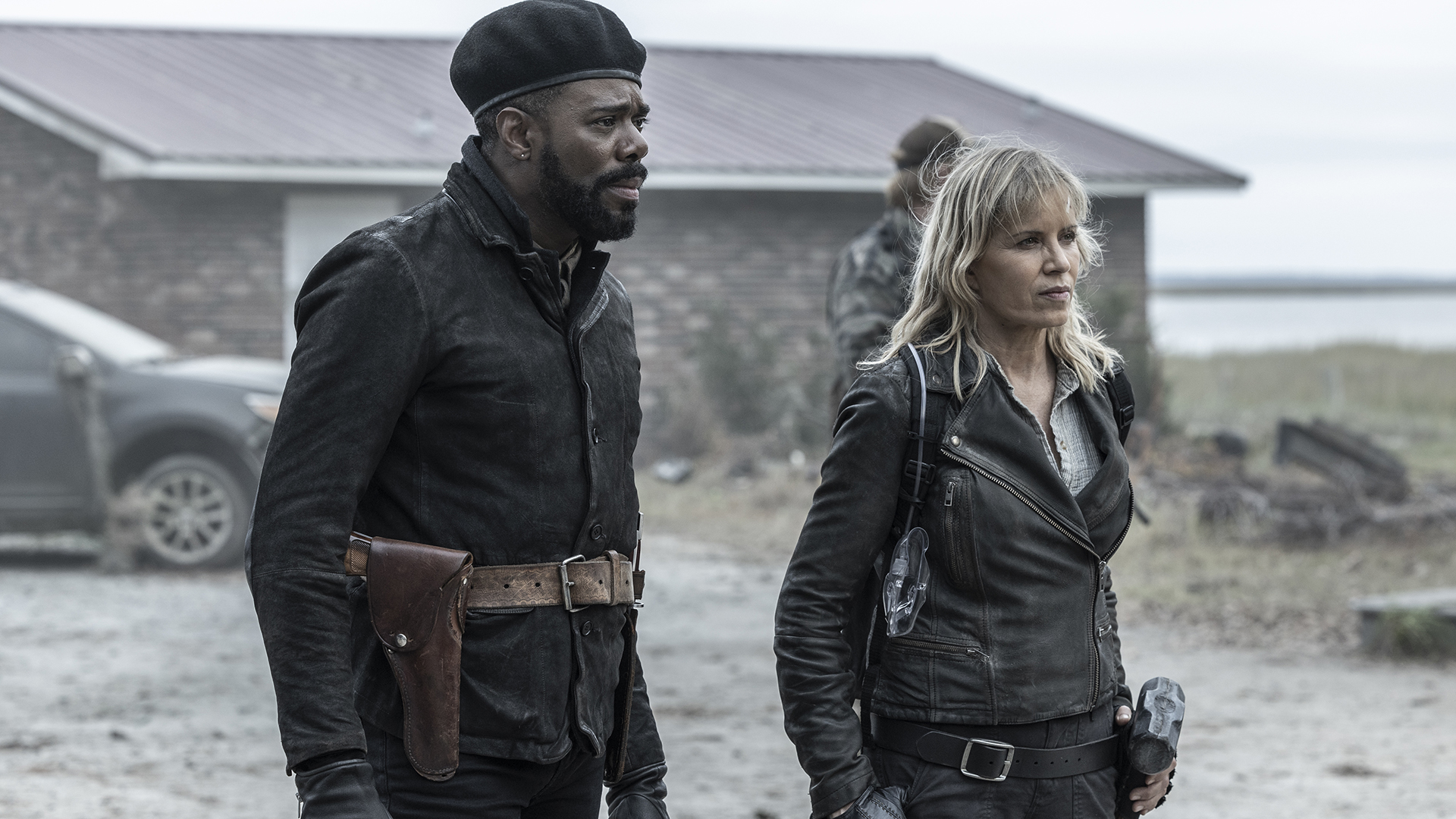
S1, E1
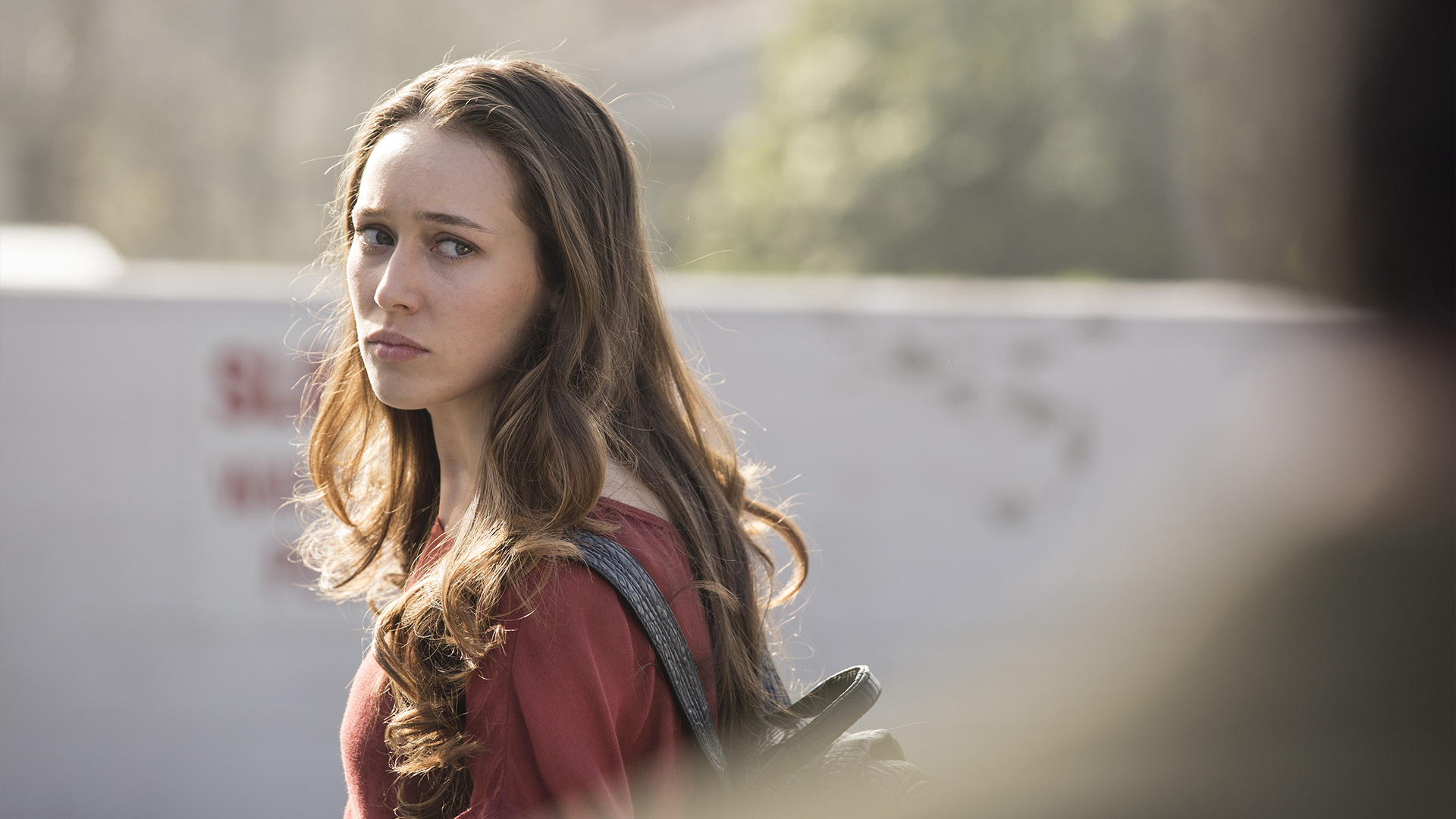
Fear the Walking Dead: Best of Alicia
Relive Alicia's best moments in this iconic episode from season 1. The Clark Manawa family comes together.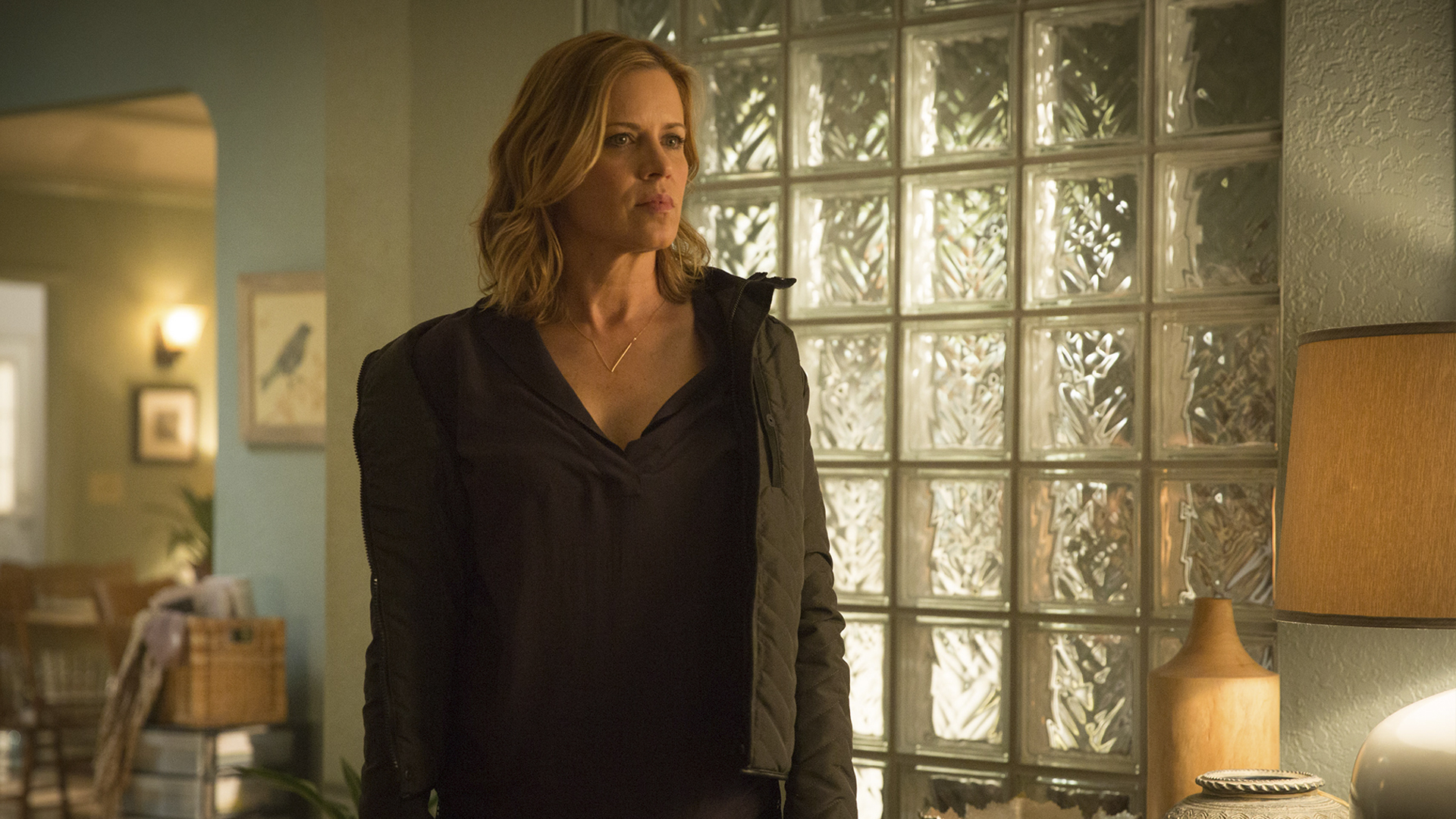
S1, E1
Fear the Walking Dead: Best of Madison
Relive Madison's evolution, as told by Kim Dickens. Travis ventures out to find his son.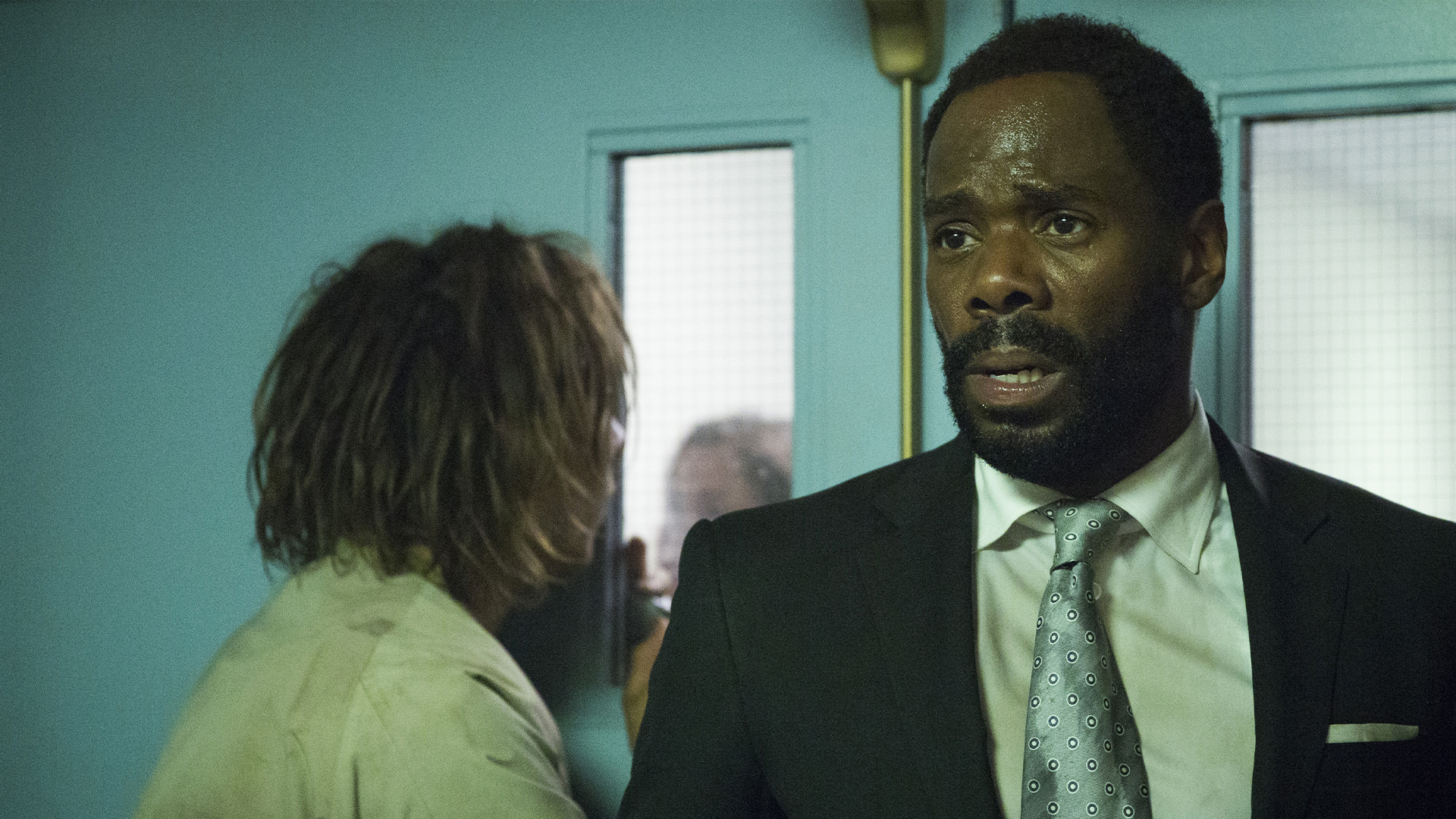
S1, E1
Fear the Walking Dead: Best of Strand
Relive Strand's best moments in this iconic episode from season 1. Our family doubts the National Guard.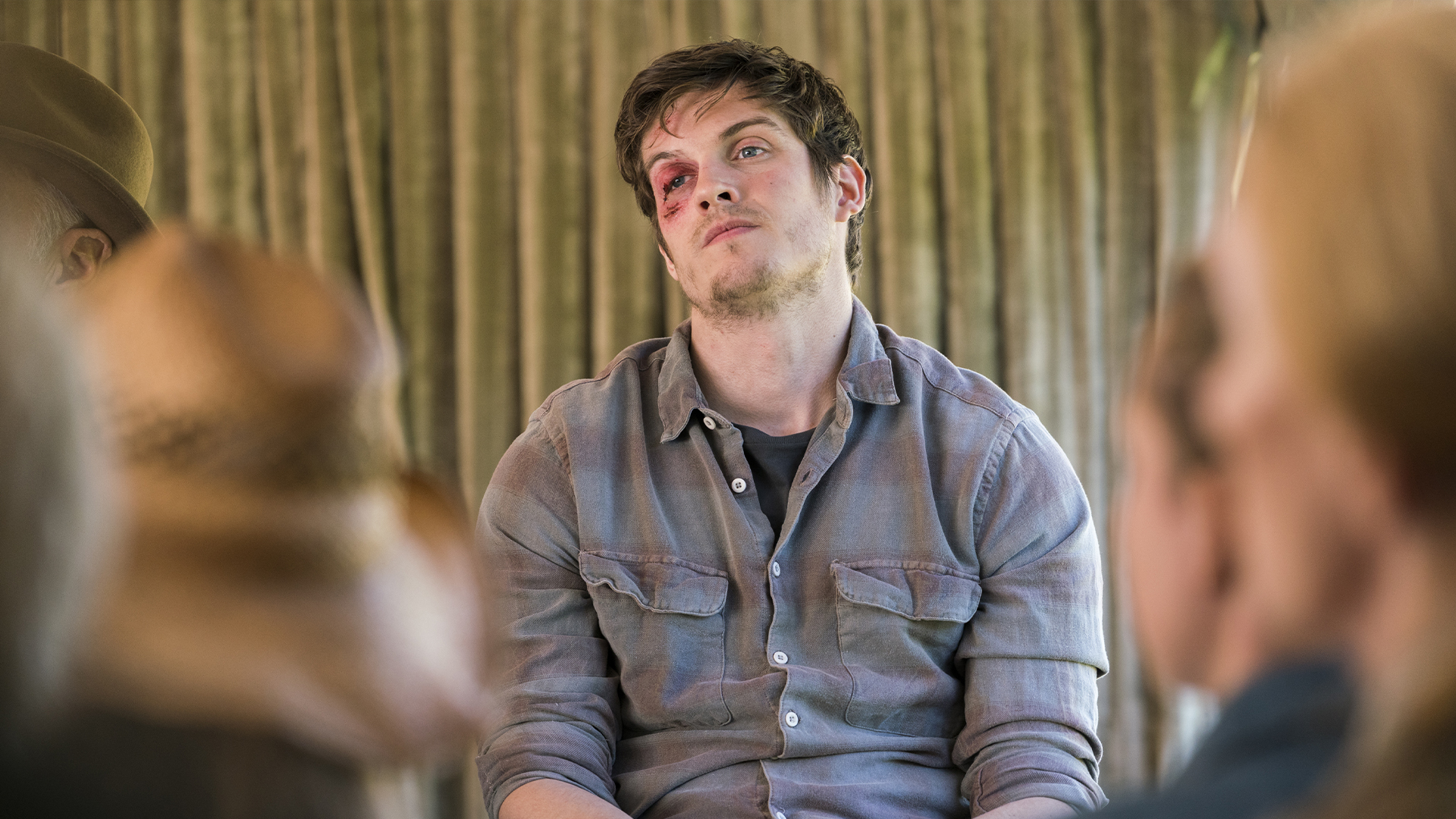
S1, E1
Fear the Walking Dead: Best of Troy
Relive Troy's best moments in this iconic episode from season 3. The Clarks are captured.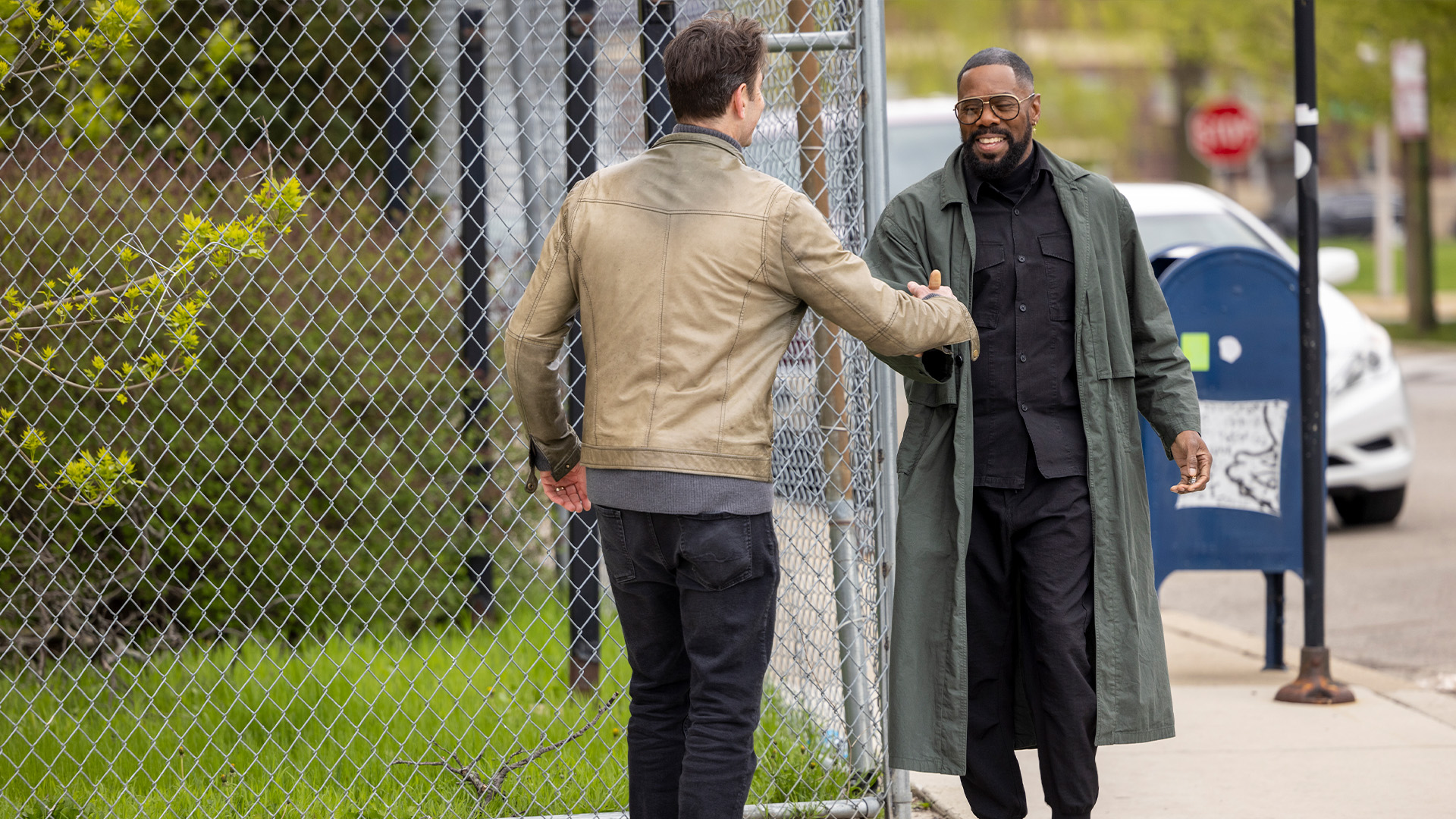
Featured Shows
Season 2 Premieres May 12
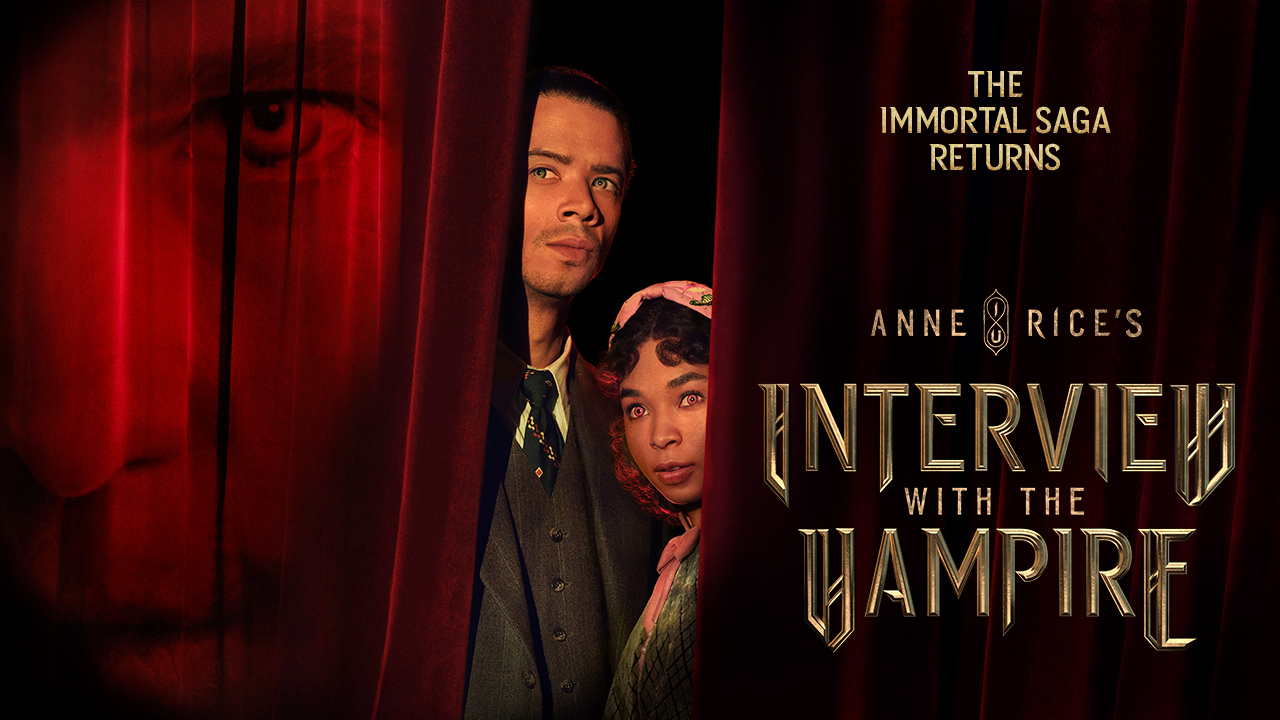
Interview With The Vampire
In the year 2022, the vampire Louis de Pointe du Lac tells the story of his life to renown journalist Daniel Molloy. Beginning in 1910 New Orleans, Louis forms a vampire family with the vampire Lestat, complete with teen fledgling, Claudia.



Watch Now
The Walking Dead: Best of Michonne
Look back at Michonne's biggest moments with a collection of her iconic episodes from The Walking Dead.

Fear the Walking Dead: Best of Alicia
Relive Alicia's best moments with a collection of her iconic episodes from Fear the Walking Dead.
Fear the Walking Dead: Best of Madison
Relive Madison's best moments with a collection of her iconic episodes from Fear the Walking Dead.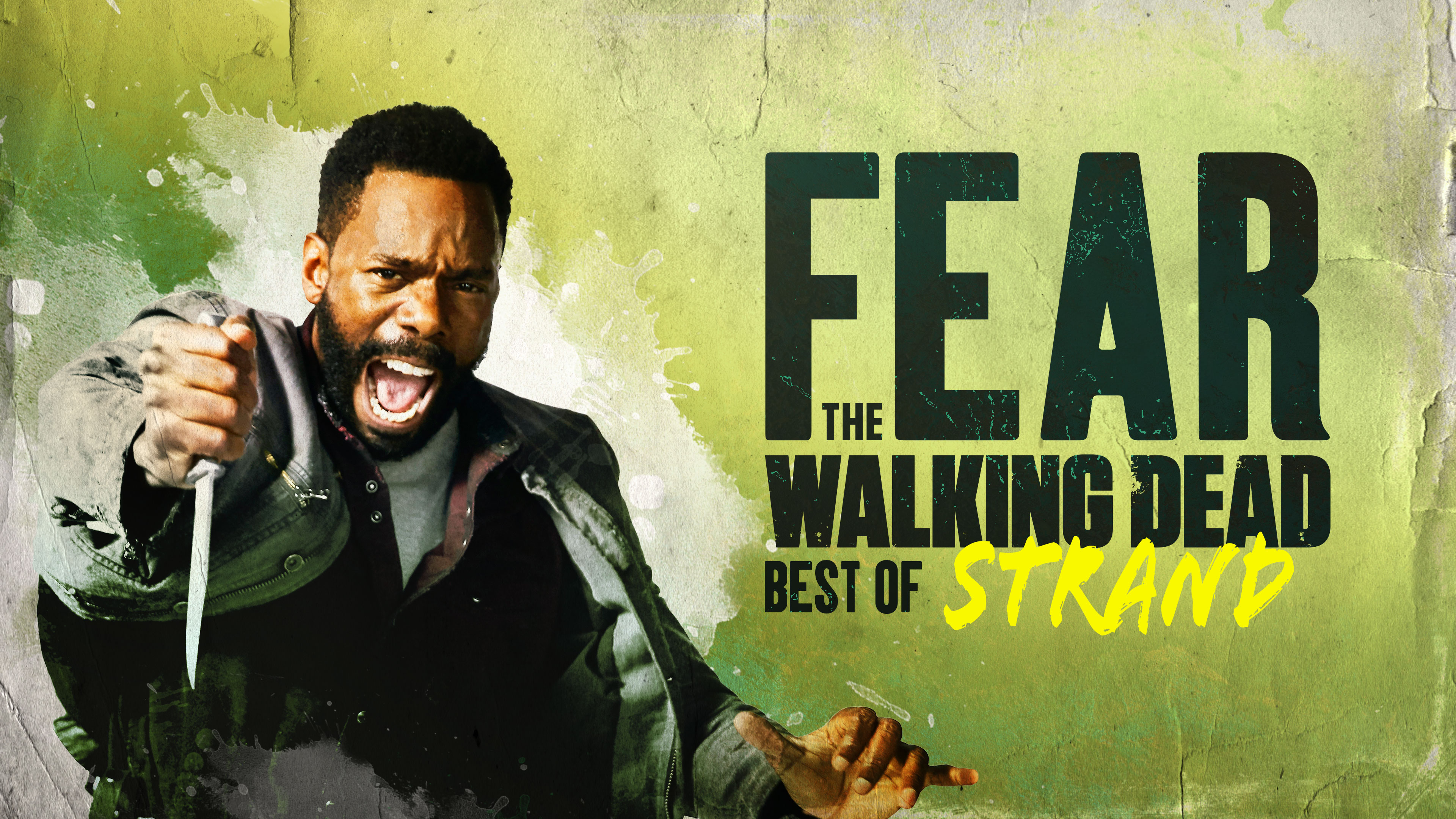
Fear the Walking Dead: Best of Strand
Relive Strand's best moments with a collection of his iconic episodes from Fear the Walking Dead.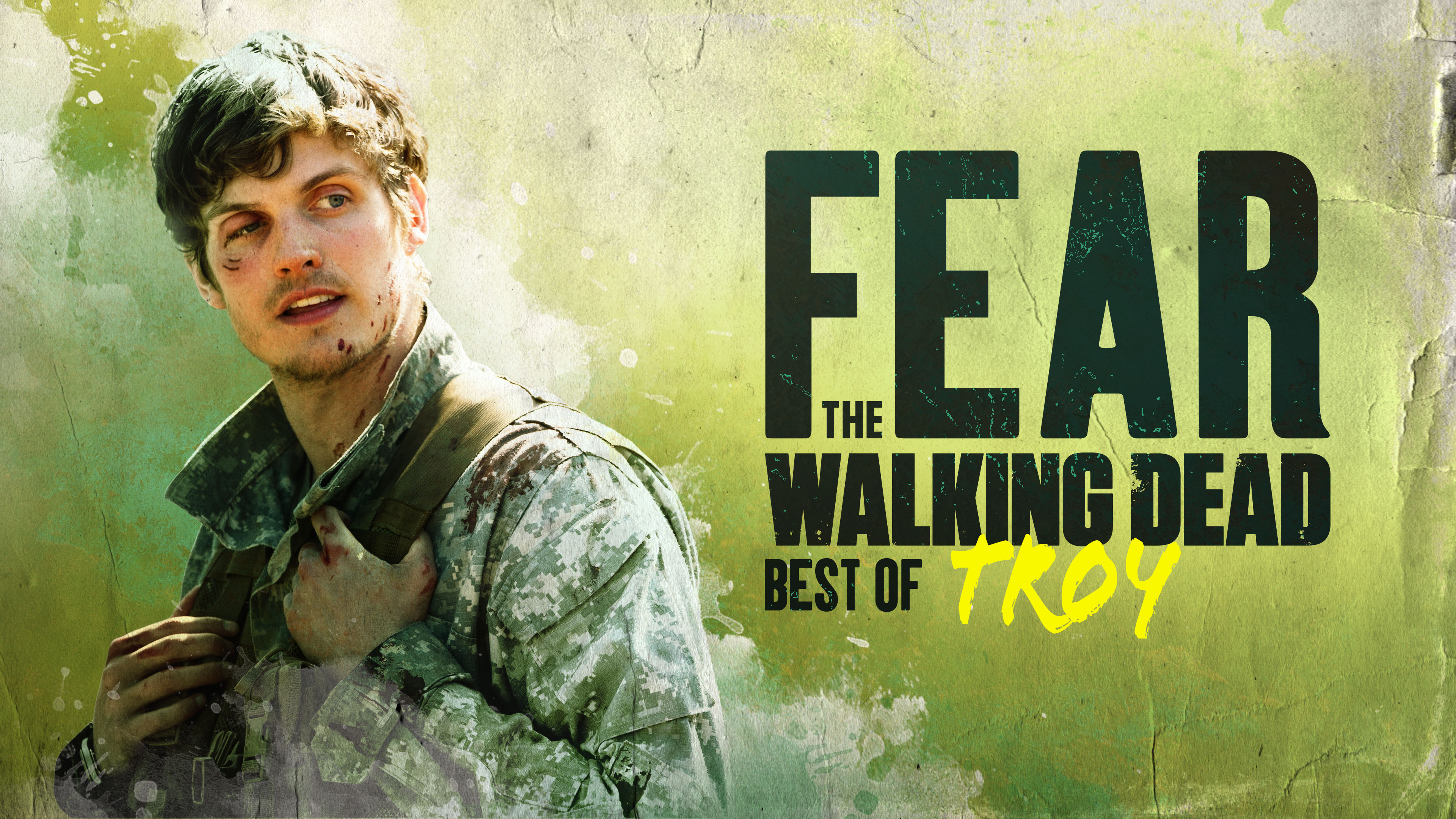
Fear the Walking Dead: Best of Troy
Relive Troy's best moments with a collection of his iconic episodes from Fear the Walking Dead.




Watch Full Episodes
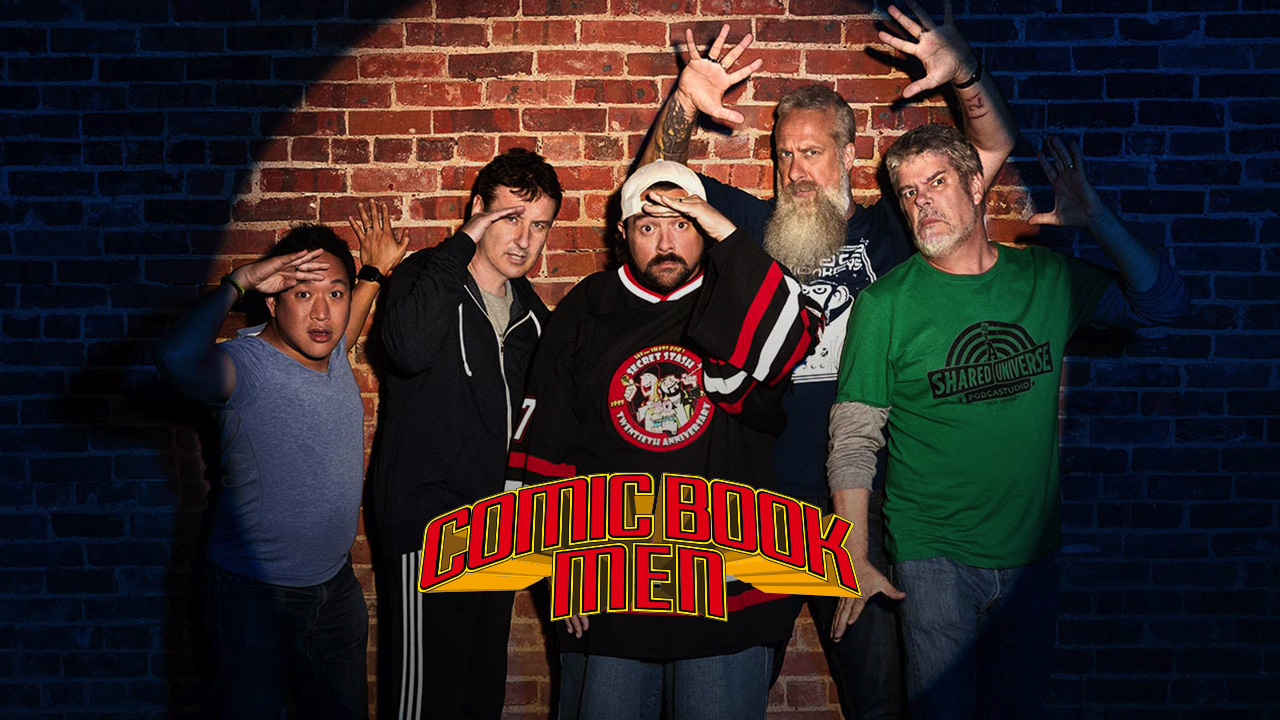
Comic Book Men
AMC's new unscripted series Comic Book Men follows the antics in and around master fanboy Kevin Smith's New Jersey comic shop where staff and customers geek out over pop culture artifacts and the legends behind them.
AMC Shop





Featured Extras
AMC Talk



Shop TWD Universe






Popular Movies
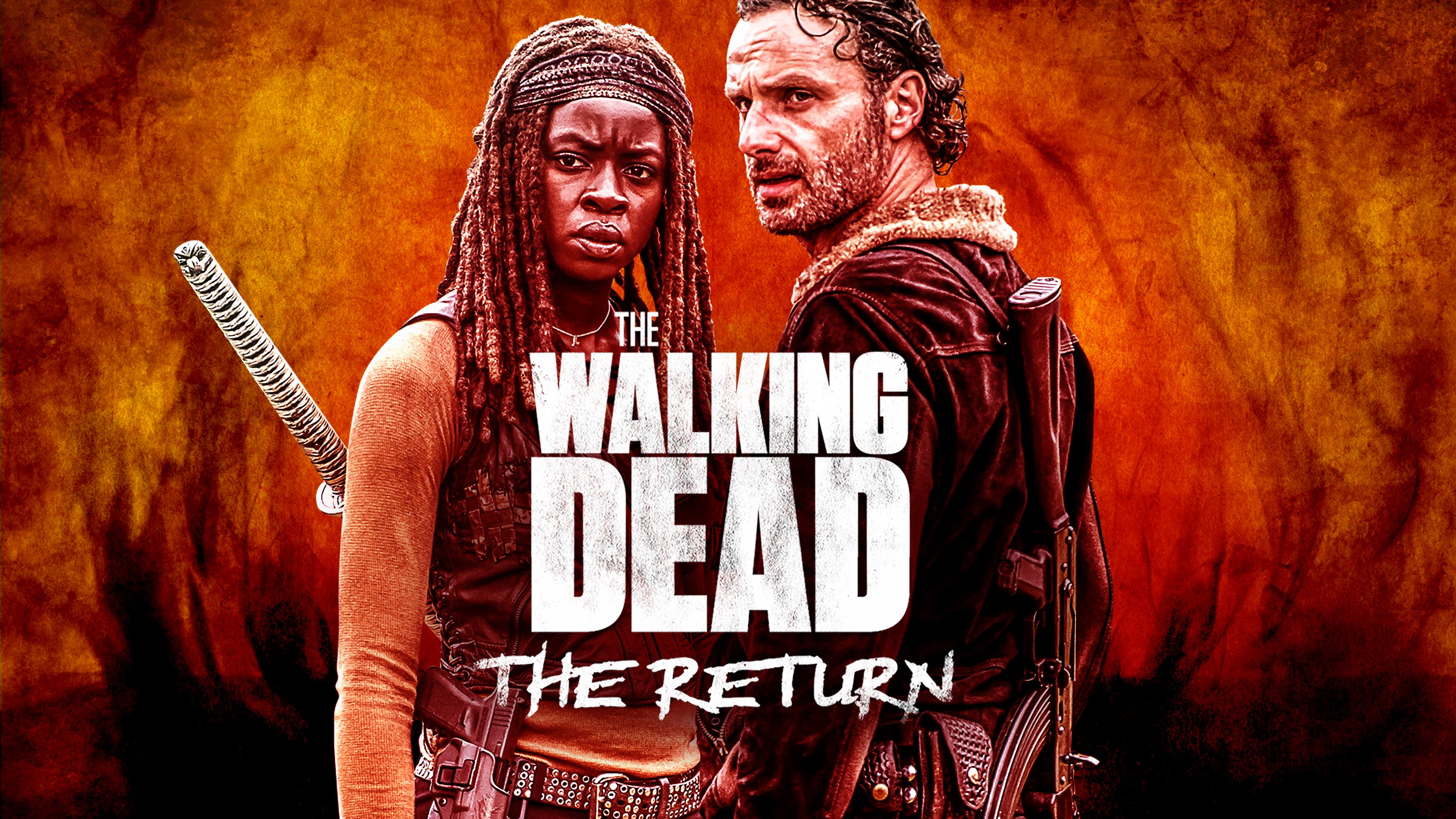
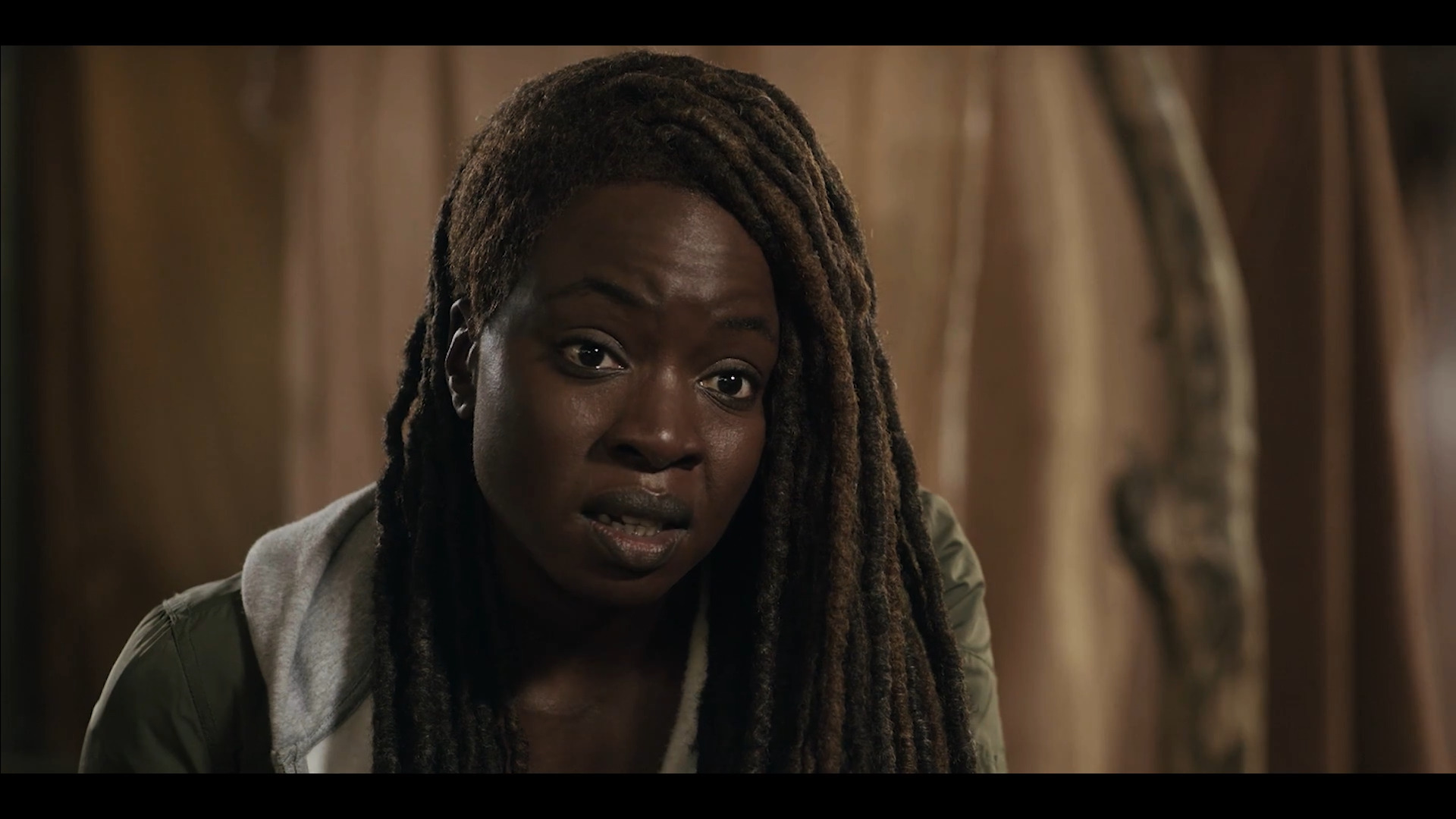
The Walking Dead: The Return
Andrew Lincoln and Danai Gurira revisit the TWD set.

Con Air
In this action-packed thriller, a group of violent and deadly cons seize control of a plane, taking the guards hostage and setting a course out of the country.
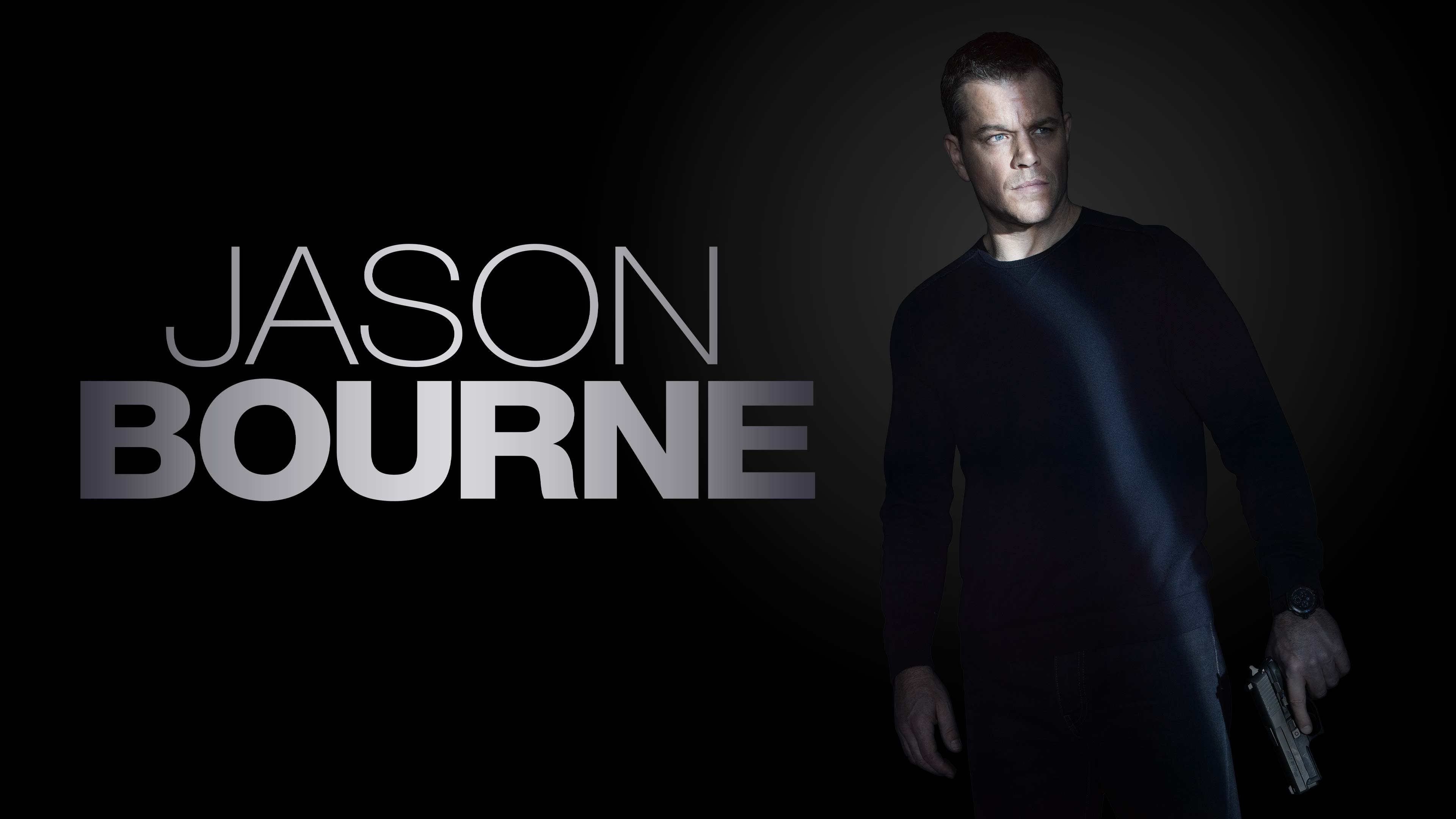
Jason Bourne
Matt Damon and director Paul Greengrass return for the next chapter of the Bourne franchise, which finds the CIA's most lethal operative drawn out of the shadows.

A League of Their Own
Daring female athletes win over a skeptical public and lead their team to victory in the WWII-era women's baseball league.
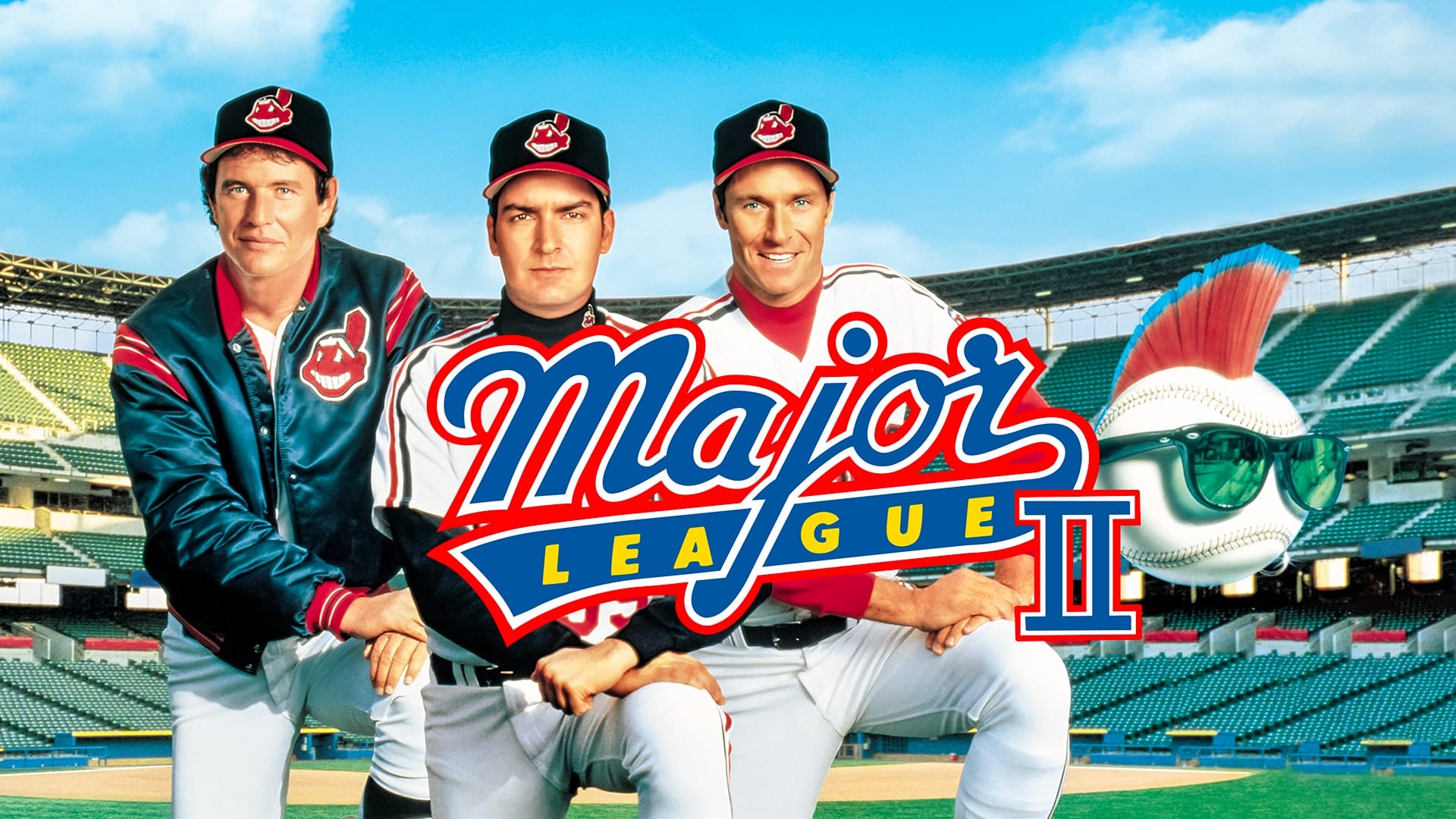
Major League II
The Indians are now a World Series contender. But last year's hunger is now replaced with complacency, and bad decisions by the new owner threaten to tear the team apart.
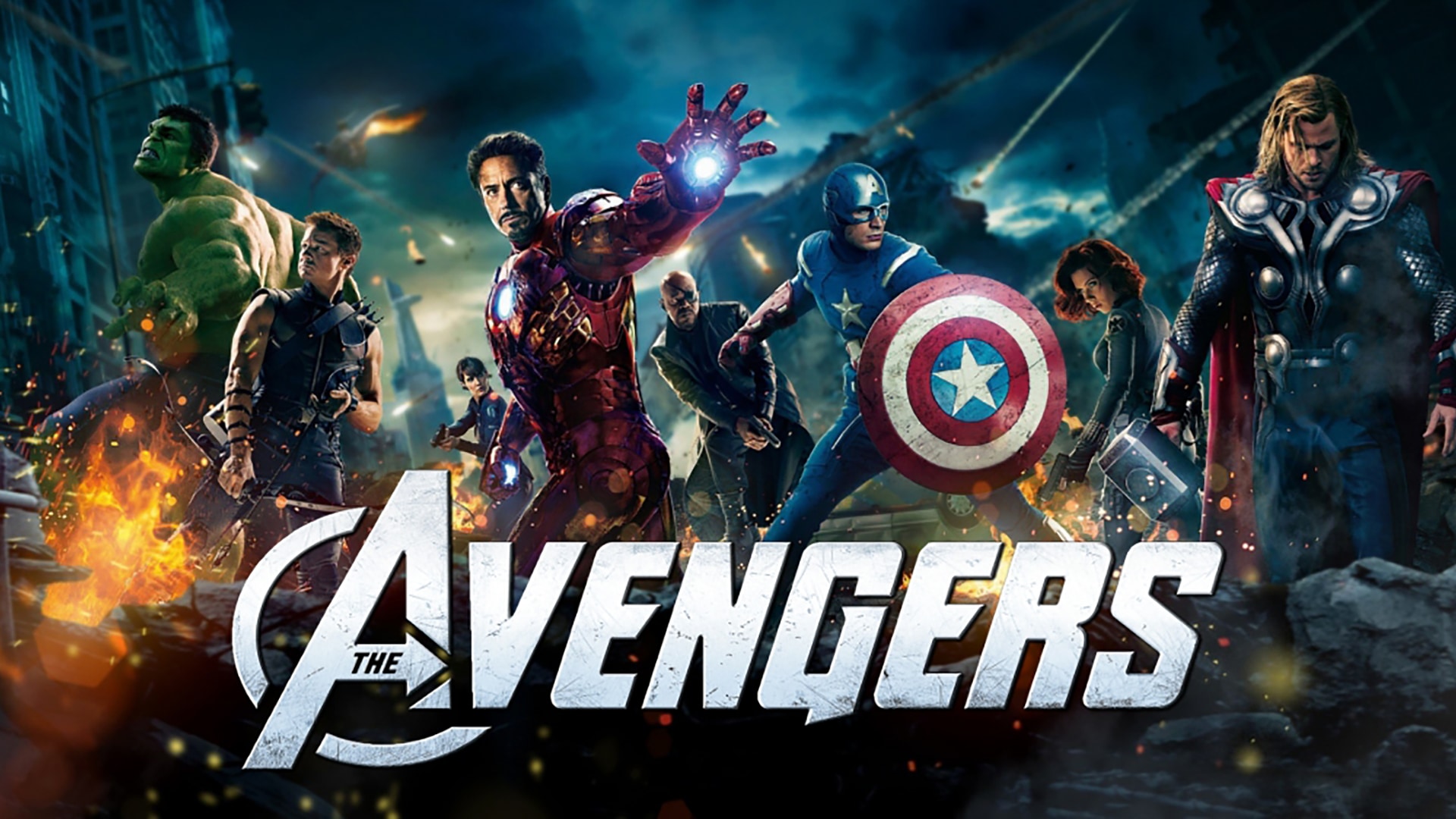
The Avengers
Marvel makes cinematic history as the Super Hero team of a lifetime assembles for the first time ever! Packed with spectacular visual effects, Marvel's The Avengers will blow your mind!